

Quote Of The Day By Nora Ephron: 'You Better Make Them Care About What You Think...'
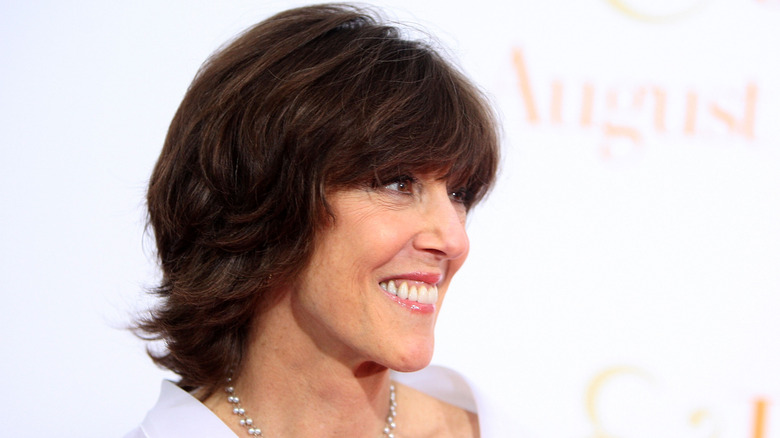
American writer and journalist Nora Ephron has imparted plenty of wisdom over her decades-long career. Ephron was born in New York City on May 19, 1941, and was raised in Beverly Hills, California, along with her three younger sisters; both of her parents were playwrights and screenwriters, so the literary gene was clearly strong in the Ephron family.
After graduating from Wellesley College, Ephron tried to get a job at Newsweek but was told that they didn't hire women writers, so she was sent to the mailroom. The discrimination prompted her and other women to file a lawsuit. She then got a job at the New York Post and worked her way across the New York City beat. Ephron finally got her break writing screenplays, and in 1983, she co-wrote the script for "Silkwood" with Alice Arlen. The film earned both writers an Oscar nomination and facilitated Ephron's lifelong friendship with Meryl Streep. Ephron went on to write numerous books and scripts and became a director, gifting the world treasures like "When Harry Met Sally..." and "Sleepless in Seattle," playing a huge role in the breathtaking transformation of romcom icon Meg Ryan. In a roundabout way, Ephron even influenced fashion with the Meg Ryan fall aesthetic from her iconic autumnal movies. Ephron was also a mother, navigating failed marriages and shaping what it means to be a woman and a writer until her death in 2012. This enduring legacy is why Ephron brings us today's quote of the day.
Quote of the Day by Nora Ephron

Nora Ephron famously once said, "You better make them care about what you think. It had better be quirky or perverse or thoughtful enough so that you hit some chord in them." She shared this bit of wisdom in an interview in 1974 while speaking with Writer's Digest. Ephron followed this up by adding, "Otherwise it doesn't work. I mean we've all read pieces where we thought, Oh, who gives a damn."
Ephron was specifically speaking to writers when she said this, but the heart of her advice is universal. She urged aspiring writers to say something that actually mattered; she wanted to impress upon people the importance of using their voices to actually say something thoughtful and, perhaps, even provocative. For those who love Ephron's writing, this quote makes sense; part of her genius was her bravery in saying exactly what she thought and in speaking candidly, even if it meant shocking or offending some readers.
Deeper Meaning of Nora Ephron's Quote — Don't be afraid to rock the boat
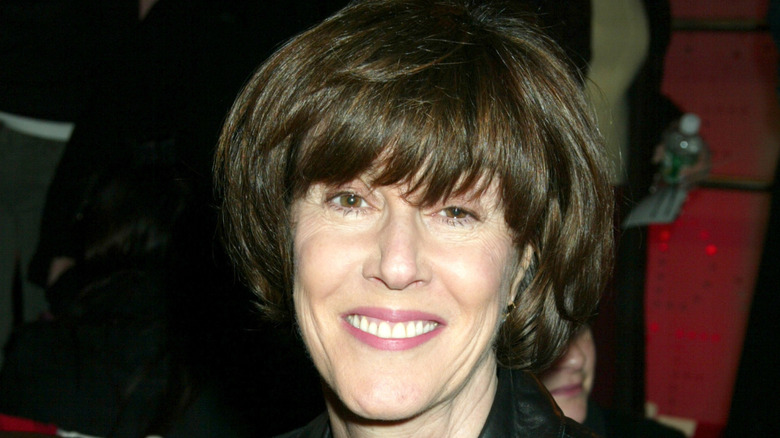
Nora Ephron's quote is all about speaking the truth with courage. As a writer, this is doubly important. On the one hand, good writing touches on the authentic, shared experiences of human beings, and it's important to mine one's own life for these truths. Secondly, to make it as a writer, it's important to stand out in a sea of publications. So Ephron's advice is helpful for those trying to make a name for themselves. Be unique enough, or provocative enough, that your unique voice gets remembered. If everything a person writes is so blandly agreeable that no one disagrees with it, chances are that the person isn't speaking truthfully enough.
But Ephron's advice is helpful for everyone, not just writers. Ephron was urging people to speak their truth, to speak up loudly and bravely. Of course, there may be repercussions. There may be some fallout, but anything worth writing or doing will have naysayers waiting in the wings. Be brave enough to actually have something to say. Stand for something. It takes time and personal reflection to really understand your own belief system, and it takes courage to say it out loud (or in writing). It may result in needing to set boundaries down the road, or it may lead to conflict in your relationship and a greater understanding of your argument style, but speaking your truth is necessary and important, especially to Ephron.
More Quotes From Nora Ephron
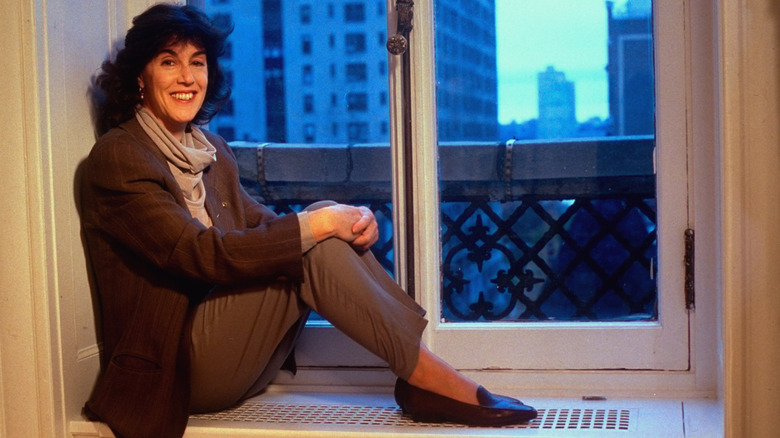
- "My point of view happens to be faintly cynical or humorous — and that's just the way I see things and that's how it comes out when I write it. It is not anything I am conscious of, though. A piece about a 'heavy' subject can be written a little bit light so the piece doesn't seem quite as heavy. You've mainly got to trust yourself to write the way you feel about something."
- "Above all, be the heroine of your life, not the victim."
- "I think one thing that you do is just make notes. You have to sit in a period called 'not-writing' and write pages and pages of anything that crosses your mind."
- "Any catastrophe is good material for a writer."
- "What are you going to do? Everything, is my guess. It will be a little messy, but embrace the mess. It will be complicated, but rejoice in the complications."