

5 Gen Z Fashion Trends Gen X Will Never Understand
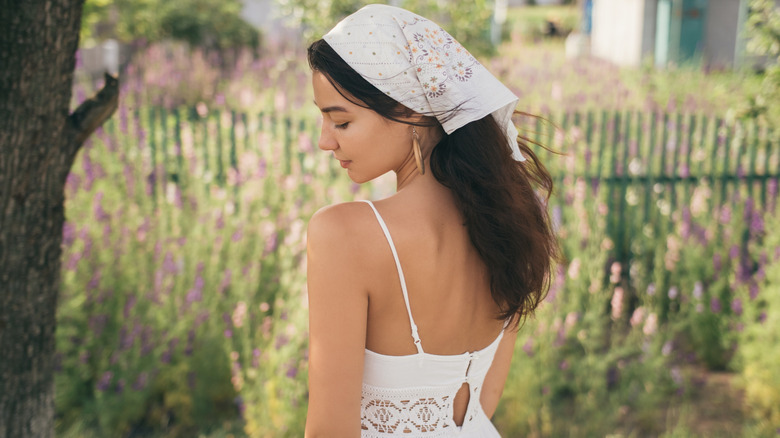
Generation X refers to those born between 1965 and 1980, when major fashion trends shifted between symbols of protest, self-expression, and freedom. There are certain throwback fashion trends only Gen X will remember. In the 1960s, Mod subcultures began to dominate society, and the accompanying fashions were more than a means of self-expression. Bold haircuts, statement silhouettes, and vibrant prints ran rampant, and icons like Twiggy stepped out wearing shift dresses and floral designs. By the 1970s, patterns had taken hold, and an entirely new hippie aesthetic had evolved, but alongside a newfound love for bohemian fashion, a disco culture had also emerged. Glossy materials and platform shoes characterized disco fashions, and that intensity became amplified in the 1980s, which were characterized by maximalism. The decade was defined by a larger-than-life philosophy that seeped into the fashion world, popularized by teased hairstyles, power suits, and structured silhouettes.
In recent years, social media algorithms have majorly influenced the personal style of younger generations, and while some fashion enthusiasts have traditionally dressed to fit a particular trend cycle, Generation Z, born between 1997 and 2012, has reshaped the fashion landscape. Rather than prioritizing bold prints or statement hairstyles, many younger people have started to appreciate minimalism, while also drawing inspiration from individual aesthetics or conceptual personas. As Gen Zers continue to use fashion to embody a single persona rather than a broader theme, it's easy to believe that there are some 2026 fashion trends that Gen X will never understand.
The frazzled English woman aesthetic pulls from film references
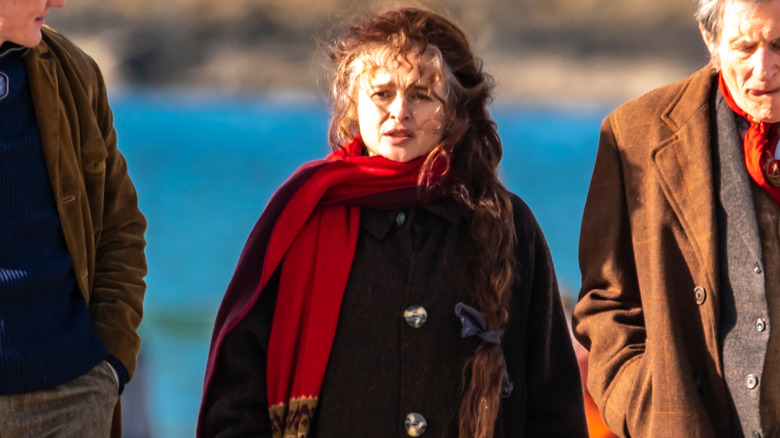
The frazzled English woman aesthetic may raise questions from Gen X, but it just draws from the disorganized, chaotic lives of British rom-com protagonists, most notably Renée Zellweger's portrayal of Bridget Jones in "Bridget Jones's Diary". The style stems from the desire to look weathered, yet comfortable. The phrase was coined by Australian fashion magazine Russh in 2022, and the aesthetic quickly evolved into a major fashion trend among Gen Z. To achieve the look, wearers layer chunky knits with cardigans and coats, with materials and patterns working best when they're mismatched.
To achieve the frazzled English woman aesthetic, clothes are meant to look thrown together, so odd socks, contrasting materials, and unbrushed hair blend seamlessly. The aesthetic also brings with it a personality, someone who always has plans but is never on time. "You need to look dishevelled enough, but not actually too bad; you just need to be effortlessly beautiful," said print deputy editor of Exposé, Lauren Walsh, describing the trend.
There's little Gen X would understand about the frazzled English woman aesthetic. The '60s were characterized by rebelling against convention, so the messy trend would likely not have resonated. In the '70s, disco fashions strayed far from appearing weathered. In the '80s, outfits took a long time to put together, and hair was teased to new heights — that intentionality is directly at odds with the frazzled, thrown-together aesthetic that Gen Z loves.
Dark academia is a mix of various trends
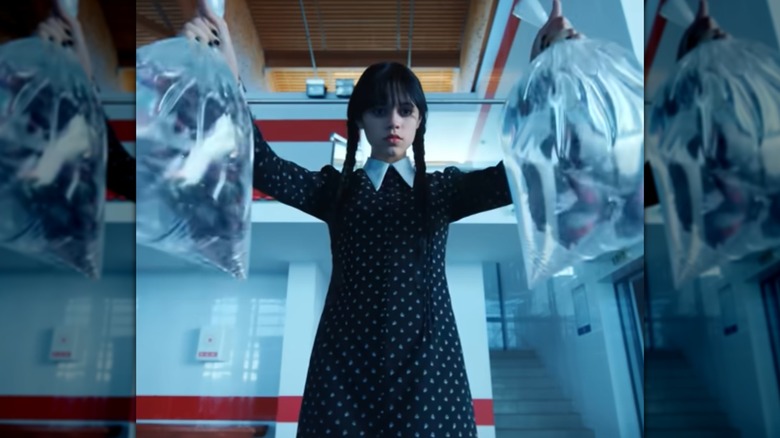
Preppy trends have been around for decades, but made a major comeback in the 1980s — especially when Princess Diana started layering button-down shirts with sweaters. What makes the dark academia aesthetic so unique is its embrace of gothic aesthetics and moody characterization in tandem with preppy outfit formulas. The style is rooted in existentialism and inspired by the polished rigor of Ivy League schools. When Netflix's "Wednesday" premiered in 2022, the series was admired for its mysterious plot and revived Gen Z's love for the dark academia aesthetic.
The classic style is considered a unique form of self-expression, often favored by those who value intellect, timelessness, and practicality. It focuses on a subdued color palette, predominantly using black, gray, navy, and white. Wearers often incorporate knitted layers and cardigans to soften their appearance and add a bookish allure. Inspired by moody study sessions and schooling, it's common for garments to feature large crests or brooches, with blazers also being a major part of the wardrobe.
Although the '80s saw a rise in punk music, gothic attire, and sensibilities — which share some overlap with the dark academia aesthetic — where punk and dark academia majorly differ is in dark academia's tempered gloominess. Considering the trend is perfectly suited to a rainy day, the preppy look is a far cry from the bold colors and vibrant prints that dominated the '60s, the leisurely nightlife approach of the '70s, and the energetic maximalism of the '80s.
Cargo pants look toward the future
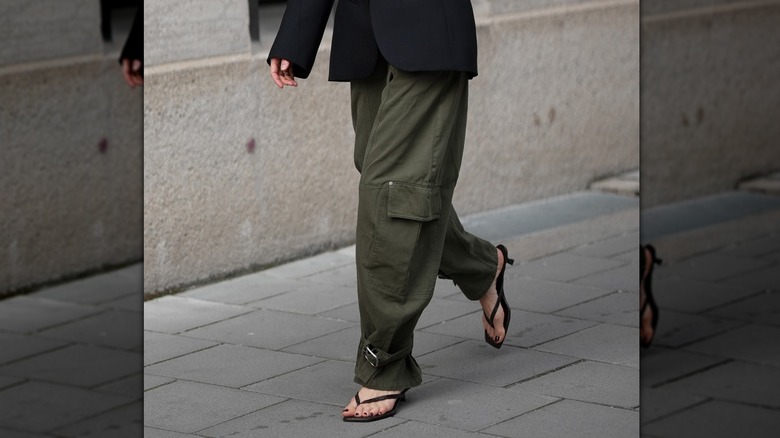
As styles evolve, Gen Z trends are being shaped by a mix of nostalgia and sustainability. Individuality, together with the climate crisis, has pushed the younger generation to shop in vintage stores and secondhand shops, and this love for sustainable fashion means Gen Zers are constantly digging up clothes from the past. Through this digging, baggy cargo pants have made their way back into Gen Z's streetwear trends.
The loose trousers, featuring multiple huge pockets, are practical and versatile. Once popular in the '90s, the oversized silhouette represented liberation and challenged stereotypes attached to women's clothing, prioritizing independence and practicality over scaled-down femininity. Cargo pants also tend to be more size-inclusive, often featuring bungee hems and drawstrings at the waistband and the ankles to stay adaptive to bodily changes. They also come in an array of colors and fabrics. While denim cargo pants nod to streetwear and skater styles, canvas materials can add elements of sophistication, whereas lightweight, durable fabrics can transform the trousers into a parachute pant for summer.
It's unlikely cargo pants would have taken off among Gen X, particularly because of their heavy, utilitarian feel. In the '60s, women found empowerment through shift dresses or suit trousers rather than unkempt pants. In the '70s, bohemian trends prioritized softness and freedom over weighted bottoms and storage. While parachute pants were used for fitness in the '80s, other fashion trends of the time prioritized volume on top, not on the bottom.
Old money minimalism is at odds with '80s maximalism
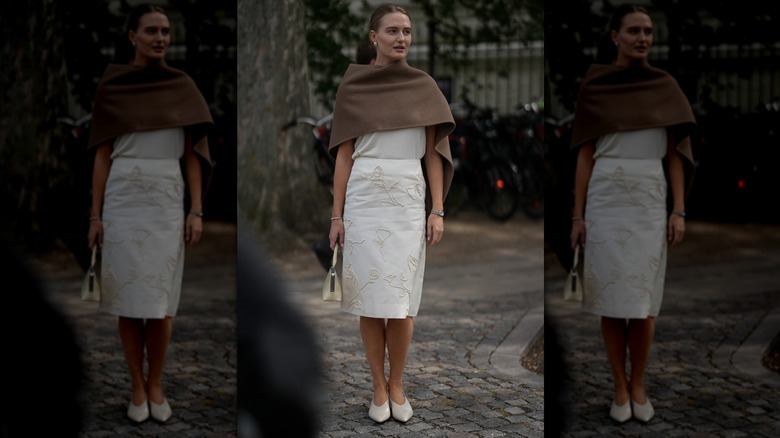
It's no secret that the quiet luxury and old money aesthetics have us chasing an unattainable ideal. Old money minimalism is associated with ancestry and inheritance, but the style has evolved into a fashion trend in recent years, relying on sophistication and luxury brands. Wearers often prioritize quality garments over quantity and invest in expensive fabrics like wool, cashmere, and silk. It is a "fake it 'til you make it" aesthetic, with the overall goal being an embodiment of effortlessly living off of generational wealth. Those who embrace old money minimalism often wear tailored pieces in neutral colors, including beige, brown, gray, and navy. Accessories are minimal, centering polished stones such as pearls and diamonds. Light garments, notably slinky skirts and soft sweaters, together with structured pieces that hold their shape, add elegance to the look.
The old money minimalism trend is arguably hard to understand from the perspective of Gen X. The most popular trends within that generation were characterized by structured maximalism, with the '60s centering boldness and creativity. Within the hippie and bohemian aesthetics that dominated the '70s, showcasing wealth was not a priority, and trends prioritized personal and spiritual fulfillment over financial richness. In the '80s, fashion focused on loud luxury, with shoulder pads, costume jewelry, and exaggerated shapes at the forefront. This is a far cry from the old money minimalism and quiet luxury efforts made by Gen Z today.
Cottagecore contends with '80s feminism
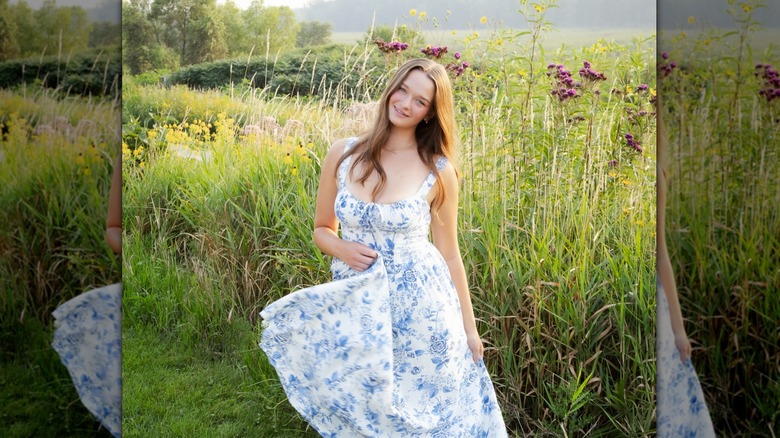
Cottagecore has become increasingly popular as trad wife influencers garnered more attention on social media. People have had a lot to say about the trad wife phenomenon, which upholds patriarchal family structures and glamorizes traditional female gender roles, including homemaking, cooking, and mothering. Cottagecore can sometimes be viewed as an extension of trad wifery, as it blends seamlessly with the clothes donned by these housewives. The style promotes a whimsical, feminine aesthetic that makes the wearer appear composed, malleable, and gentle.
Cottagecore fashion is characterized by earthy tones and feminine colors with floral accents or gingham designs. The garments often feature frilled silhouettes and handmade elements, including crochet cardigans, cinched waists, and milkmaid dresses. Many items also feature embroidered shapes, nodding to animals, plants, or delicate florals. Those who embrace the cottagecore trend sometimes accessorize with ribbons and headbands, which gives the aesthetic a costume-like touch.
Gen X has little reason to understand cottagecore trends, particularly due to its hyperfeminized approach to women's fashion. Mod trends in the '60s were fueled by a refusal to conform to society's expectations. While some '70s garments had whispers of cottagecore motifs, such as lace and florals, the style would have been ultimately rejected because bohemian aesthetics prioritized freedom and comfort, while disco fashions welcomed glitz, glam, and rising technology. In the '80s, women embraced power-dressing trends that highlighted their career ambitions and dressed unapologetically as themselves — a sharp contrast to the traditionalism often associated with cottagecore.