

What To Read After The Calamity Club For More Gripping Historical Fiction

We may receive a commission on purchases made from links.
There's no denying that "The Calamity Club" is a certified literary sensation. Kathryn Stockett's second novel (and her first in 17 years since "The Help") was poised to become an instant classic when it joined the May 2026 new releases to pick up for your book club, holding on to its place on the New York Times bestseller list ever since. By July, it was the most-read fiction book on Amazon.
It's easy to see why. Readers fell in love with Birdie, a plucky young woman determined to save her family, chosen and otherwise; Charlie, who's fighting her past with a plan to secure her future; and Meg, an 11-year-old girl doing her best to withstand the cruelties of life as an orphan during the Great Depression in Oxford, Mississippi. Birdie and Charlie's scheme to rescue Meg (as well as themselves) — a sort of women-led "Risky Business" — is one of the most audacious plots ever committed to the page.
Readers craving more, however, may find themselves nearly as adrift as Stockett's heroines. After all, there's no "historical fiction about women fighting everyday injustice through sisterhood" section at Barnes & Noble. But that's where we come in.
5. The Exiles by Christina Baker Kline
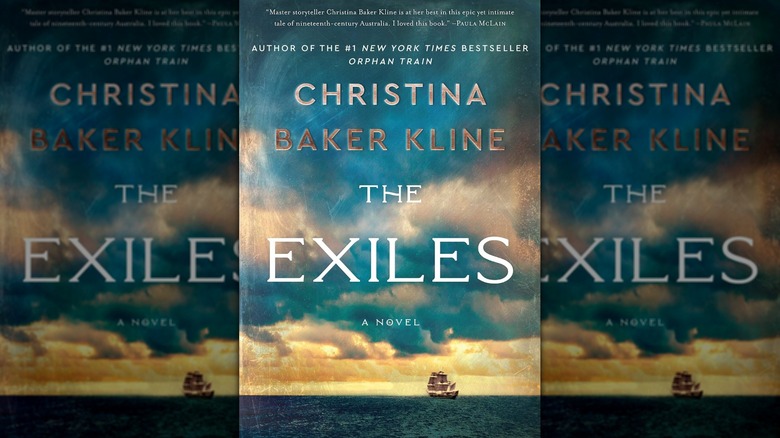
Like "The Calamity Club," "The Exiles" follows a trio of women and girls whose lives seem dictated by their time and place: 19th-century Australia. Evangeline is a 21-year-old governess sentenced to what was then a British penal colony for allegedly stealing from her employer. On the ship, she meets Hazel, a 16-year-old street urchin and fellow convict. On the looming island continent, 8-year-old Aboriginal orphan Mathinna, once the daughter of the Chief of the Lowreenne tribe, is adopted by a lord whose wife hopes to assimilate her into English society.
The young ladies' lives are forever changed by their encounters with each other, first on that fateful journey and then when Hazel is assigned to work in Mathinna's home. With the clock counting down to the birth of Evangeline's child, fathered by her employer's eldest son, there's plenty of reproductive drama, like in "The Calamity Club." As Kirkus notes, "Kline takes her time with this epic story," just as Stockett did with her 600-plus pages, so make sure to get cozy before cracking that cover.
4. Kin by Tayari Jones

Themes of chosen family are strong in both "The Calamity Club" and "Kin," with the latter's title referring to best friends and fellow orphans Annie and Vernice. There's also the theme of mother-daughter bonds. "Kin" is a book that explores the complex relationship between mothers and daughters, as the manner in which each girl lost her mother etches the path they follow in their futures, especially growing up in Jim Crow–era Louisiana.
Vernice, with no hope of seeing her deceased mother again, channels her impeccable upbringing by her sophisticated aunt into getting accepted to Spelman College and marrying into a wealthy family. Annie, meanwhile, is determined to reunite with the mother who abandoned her as an infant, leading her to far less refined pockets of the American South. There's even a lengthy stopover at a brothel, for fans of the seedier elements of "The Calamity Club."
3. Fried Green Tomatoes at the Whistle Stop Cafe by Fannie Flagg

We return to the Depression-era South — Whistle Stop, Alabama, that is — in "Fried Green Tomatoes at the Whistle Stop Cafe." The story begins with nursing home resident Ninny Threadgoode telling stories to a visitor about the family she married into, who adopted her as an orphan, mostly concerning her sister-in-law, Idgie, and Idgie's relationship with a family friend named Ruth. The nature of that relationship isn't explicit (Fannie Flagg played coy when asked directly about her characters' sexuality), but the book's narration makes it clear that the young women shared an intense love.
That love is threatened when Ruth marries a man who turns out to be horrifically abusive. She reaches out to Idgie, and the pair hatch a scheme to free Ruth and her son, who then live out their days with Idgie at the cafe she runs while offering Southern hospitality to the area's downtrodden. When it comes to historical women saving themselves and each other through daring devotion, "Fried Green Tomatoes" is the literary gold standard.
2. The Briar Club by Kate Quinn
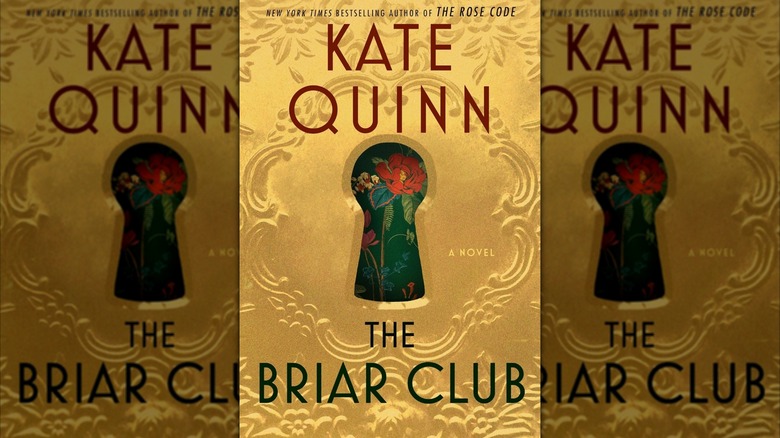
Kate Quinn is a modern master of historical fiction, and she may be in her finest form with "The Briar Club." It certainly comes out swinging: In the book's opening passages, police arrive at Briarwood House, a 1950s boardinghouse for women in Washington, D.C. Inside, there's clear evidence of at least one murder, and more than a dozen women who desperately need a plan.
It all traces back to Grace March, who moved into Briarwood House four years earlier and started holding weekly dinners for its residents, each of whom nurtures their own secrets and desires. As friendships form, change, and go up in flames against a McCarthy-era backdrop, the circumstances surrounding these women and the inevitable catastrophe are slowly revealed. Like in "The Calamity Club," these women face the limitations imposed on them by their society, resulting in a calamitous conclusion.
1. The Giver of Stars by Jojo Moyes
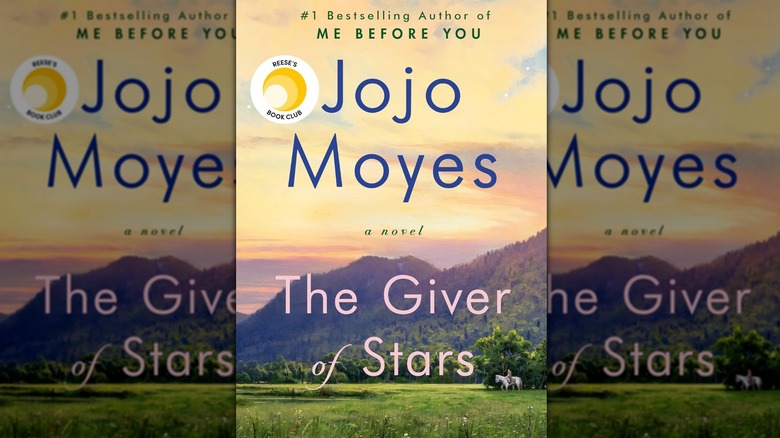
Just like Birdie and Charlie, Alice Wright is a woman on a mission in "The Giver of Stars" by Jojo Moyes, best known as the author of "Me Before You." Once her marriage and life in a small, Depression-era Kentucky town don't turn out to be all the English woman had hoped for, she longs for a purpose and finds it in the Pack Horse Library Project — a real historical New Deal program that sent horseback librarians to deliver books to far-flung Kentuckians.
She soon meets another headstrong woman: Margery, the leader of the Pack Horse Librarians of Kentucky. Along with three other women who make up the group, they buck tradition in service of their cause, just like the women of "The Calamity Club." Though they're providing books as opposed to brothels, if anything, the terrain they navigate is even more dangerous, and the women themselves might prove even harder to forget.
How we chose what to read after The Calamity Club for more gripping historical fiction

We searched the internet and social media for book recommendations similar to "The Calamity Club." We looked specifically for historical fiction titles that featured tenacious women, madcap schemes as plot points, and themes of chosen family and women's empowerment by working together in the face of social subjugation. We emphasized 20th-century settings, especially the American South during the Great Depression, but didn't strictly limit selections by geography or time period. We then ordered the resulting list by average Goodreads review score.