

Boomer Dating & Relationship Trends Younger Generations Should Embrace
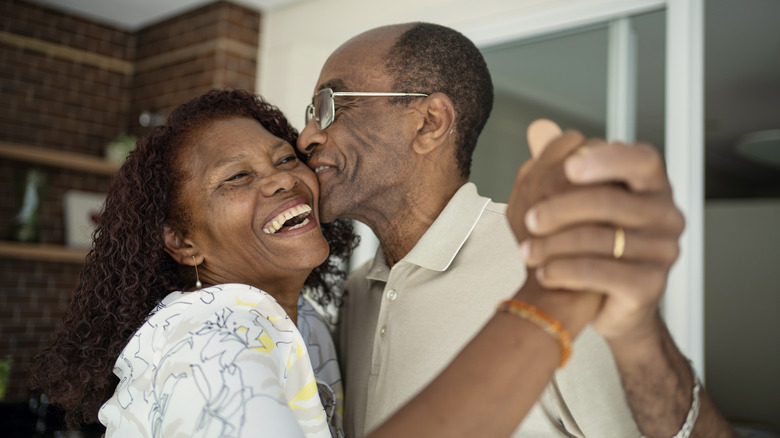
The younger generations are failing at dating. In fact, data shows that almost 50% of Gen Z adults are not dating. It's not so much that they are struggling to find a partner — they simply don't care. According to research, among single Gen Z adults, more than half are not actively looking for relationships or casual dates. With the rise of online dating platforms, in-person interactions has become undervalued, and the digital age seems to have fueled more messy connections and a growing fear of dating. It's time younger generations look toward a generation that didn't use social media to find "the one," starting with the baby boomers.
Boomers have undeniably proven their lasting power in fashion, but the generation's dating techniques? Not so much. But despite having a reputation for some controversial behaviors, there are some boomer dating and relationship trends that younger generations should embrace. "People can benefit from old-fashioned dating habits because in the past, dating wasn't as clinical and impersonal," dating expert Samantha Daniels told Bustle in 2018. "People actually interacted more directly, had more personal conversations, and got to know each other one-on-one and face-to-face instead of relying on Google, dating app profiles, and the internet," she added.
Whether it was gift-giving or words of affirmation, boomers sure understood the power of a love language. The younger generations may be changing the world, but when it comes to dating and relationships, there's a lot they can learn from boomers.
Younger generations should embrace commitment, not situationships

For baby boomers, it was important to have an intentional bond rather than a messy connection. For those born between 1946 and 1964, relationships followed mainstream trends characterized by settling down, getting married, and having children. Since solo traveling or prioritizing a career over having babies was a far cry from reality, boomers were more interested in finding a life partner. While sacrificing life goals for a lover is undeniably outdated and harmful, committing to a relationship where you grow together can be fulfilling.
The digital age has prompted a rise in situationships, and dating apps have made it much easier for young people to swiftly end their relationships and move on fast with someone new. Situationships aren't all bad, but they are driving boomers crazy. A situationship is a no-strings-attached relationship that is unfamiliar to many boomers. As psychologist Dr. David Tzall put it to PureWow: "A situationship is different from a booty call, since it tends to breed 'intense feelings' and 'emotional intimacy'."
Boomers are highly against situationships, which have no real commitment. "I don't understand younger people's obsession with seeming cool or uninterested [while dating]," Laura, a baby boomer who has been married for nearly 50 years, explained to PureWow. Since the younger generations are so focused on setting boundaries, getting rid of a situationship should be at the top of their list. Young people need to be reminded that they deserve to be with someone who is sure about who and what they want.
Enjoying a longer dinner date is better than going for a quick drink
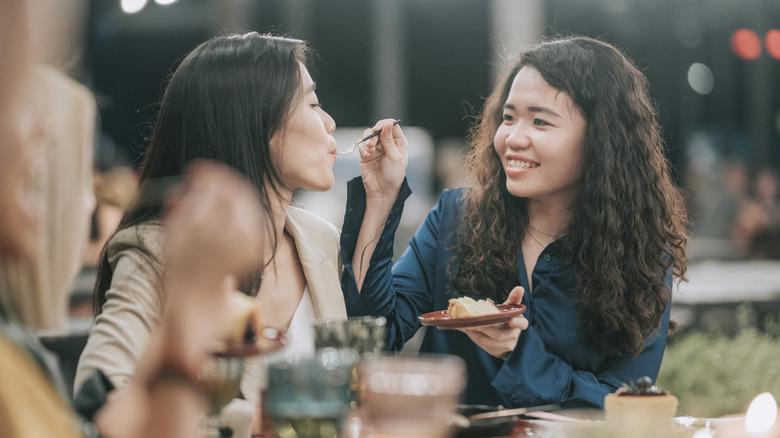
Last-minute meetups are not cool, and baby boomers knew it. Who wants to be pushed for time while trying to figure out if they have met their match? Nobody. During the boomer era, dates were meant to last a long time, and they were planned far in advance. According to relationship experts, intentional dates, like sitting through an entire dinner, are a great opportunity to let chemistry develop naturally. "Everyone wants things to happen so fast. What happened to having dinner and being generous with your time in getting to know someone?" matchmaker Rori Sassoon told Bustle. "Go slow, be curious, and don't sum them up so fast. You might be pleasantly surprised. The more time you spend, the more time you'll know for sure."
Social media and doom scrolling habits have allowed younger generations to constantly consume fast and short-form content. Attention spans have also decreased among younger generations in the digital era. Like reading a book instead of watching an Instagram Reel, sitting through a whole dinner can encourage deep conversation and force people to pay attention to who they're dating. For generations obsessed with finding red flags, which are extremely healthy to recognize, sitting through an entire dinner would be a great way to spot them early.
Introducing dates to family may be old-school, but it can help build stronger relationships

In recent years, society has normalized keeping one's private life hidden from family. Although these boundaries may be a positive shift, they have also contributed to a situation where parents have no idea who their child is dating. For baby boomers, introducing a date to your family was a common practice and parents had every opportunity to give their opinion. "Potential partners were introduced to immediate family members early on," relationship expert Fila Antwine told Bustle. While it's unhealthy for family members to micromanage or control a person's dating life, an outside perspective can be a valuable tool. "That was helpful in seeing how daters behaved around respected members of the family and what family members thought of the dater," Antwine explained.
Nearly everyone has heard the phrase "Mother knows best" — and there may be some truth behind it. Studies suggest that, in many cases, parents are the most valuable sources of information about their children. Moreover, since they are not the ones dating, it's fair to say that family members may feel more comfortable asking the questions that either person is too afraid to ask. This lack of hesitance can help break barriers and build a stronger bond. The rise in social media and dating platforms has also made it extremely simple for people to fabricate a persona online. Introducing your date to family members can help uncover someone's true colors sooner.
Writing love letters or sending flowers are affordable forms of self-expression
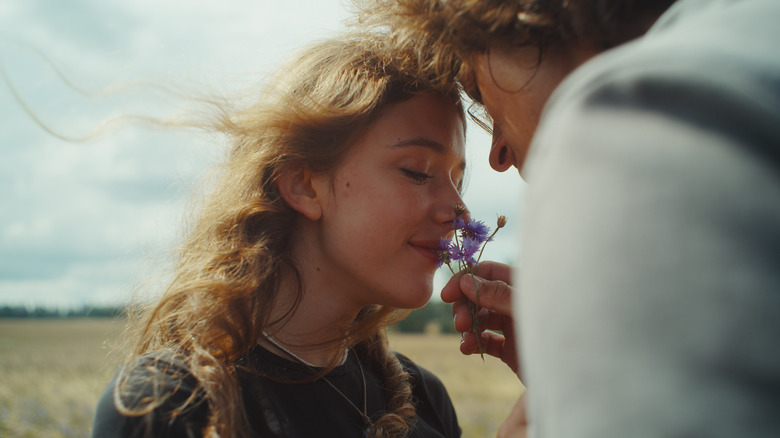
Baby boomers often used gift-giving to express admiration. With younger generations having grown up in an era characterized by overconsumption, there's no reason why they can't start giving small gifts to their partner. "This never gets old but there are so many [people] who don't do this out of fear that [the person] will think this is too cheesy," relationship coach Sameera Sullivan told Bustle.
These small, romantic gifts weren't always expensive items for boomers. They were often homemade presents, like handwritten letters, that held sentimental value and made a huge impact on relationships. "In this day and age of electronics and 140 text characters, it is so rare to get a handwritten note," relationship coach Martin Kupper also explained to Bustle. "Although a long love letter is something very special, a simple card with heartfelt sentiments really shows your partner how much you cherish them," Kupper added.
Since rapid rates of inflation have made it almost impossible for younger generations to treat themselves to any major or sustainable asset, young people have a newfound obsession for trinkets and collectibles. Buying someone a small gift to express appreciation doesn't need to be expensive, and this is one boomer relationship trend that youths can easily get on board with. Like Labubus and Sonny Angels, which have boomed among the younger generations in recent years, flowers and letters are also collectables, only better. They are not made from plastic, but with love.
Boomers aren't afraid to find a life partner, and young people should pay attention

Yes, baby boomers may have dated for marriage in the past, but, in recent years, the generation has become less interested in marriage and more focused on finding a life partner. It's rather ironic, but it seems the younger generations and boomers are simultaneously rejecting the idea of marriage — but their reactions are completely different. Despite wanting the same thing, rather than shying away from dating like younger generations, boomers have found a healthy balance between long-term commitment and marriage. According to research, 45% of single boomers are dating to find a lasting companion, but marriage is not on their mind. This older generation of singles is fulfilled with their friendships, but they have continued to romanticize the idea of having someone to enjoy life with.
The world has witnessed a new wave of young women who are defying gender expectations by resisting marriage. With reasons related to politics, freedom, and personal boundaries, this new generation has not only rejected traditional concepts of marriage, but they have also ceased dating altogether. While this trend successfully challenges wedding traditions that perpetuate an outdated narrative about the capabilities and worth of women, finding a close companion to experience life with can be immensely fulfilling. Experts have even found that, without companionship, some people can experience levels of loneliness and depression. It seems younger generations should look to boomers when trying to foster a modern idea of lasting romantic relationships.