

Don't Make These Mistakes When Shopping For Vintage Clothing
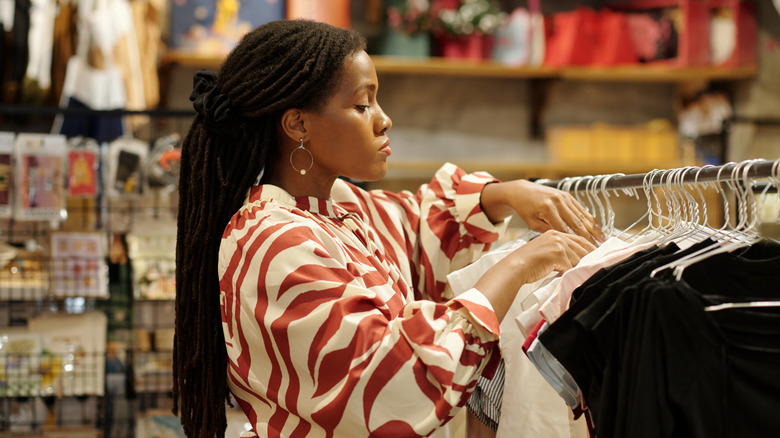
Vintage shopping isn't without its perils. There's an art to learning which clothing items are worth buying used, which can take time to master — that is, unless you have expert guidance by your side. Crafting expert and founder of PaintLikeMe, Elizabeth Cary, knows the value of vintage shopping. "Vintage clothes seem to be one of the best examples of craftsmanship that goes into making textiles," she exclusively tells Women. She sees fashion as a division of crafting, no different from quilting or sewing, stating, "In fact, the same things I look for — weave of the fabric, quality of the stitching, seam finishes, and aging of the fibers — tell stories of those vintage garments and sometimes even show techniques that have been lost in contemporary garments."
As Cary explains, learning how to thrift thoughtfully is especially useful for developing a 'maker's mindset', continuing, "Instead of asking whether an item is fashionable or not, one asks themselves whether it is worth saving." Since older clothes are usually made of hardier fabrics, learning to treat and repair vintage garments can add significant value to your wardrobe, and an invaluable skill to your repertoire. Cary goes on to explain that caring for vintage clothing '[is] also a sign of respect to the craftsmanship that has been put into making the garment.' However, parsing through secondhand racks can be daunting, especially if you're not sure about vintage dos and don'ts. Luckily, we have some tips for avoiding common pitfalls lurking in local secondhand racks.
Choosing fashion over fabric
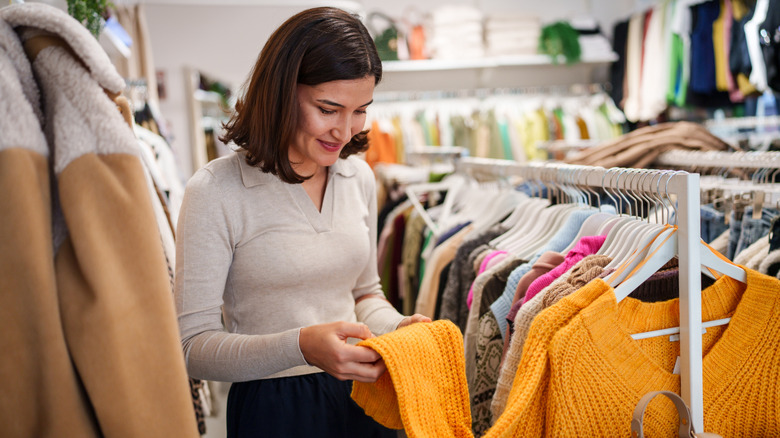
"The main mistake people make when shopping for vintage clothes is focusing on the looks of the item without examining the fabric," Elizabeth Cary exclusively tells Women. "You will learn much more from the fabric itself than from the label attached to it." That means getting your hands dirty (though hopefully not literally), and getting a tactile understanding of what you're looking at. "I always touch the fabric first, feeling the weave, stretching the seams, and checking if the fibers are sturdy enough," Cary continues. "If it feels substantial enough in your hand, the garment is probably still very usable."
When it comes to fabric types, Cary chooses natural fabrics whenever possible. "Usually, linen, wool, silk, and good quality cotton will age beautifully if they have been taken care of properly," she says. That's because they're less prone to warping or stretching. "Good fabric will always retain structure and recover after being stretched," she confirms.
Ignoring signs of breakdown
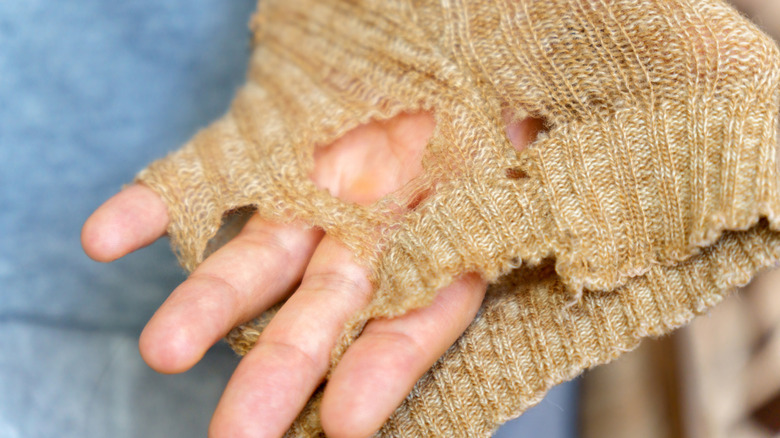
When we say breakdown, we're not talking about what happens when you've been digging through bins for an hour and still can't find a relic from the silk skirt trend that reigned in summer 2023 in your size. We're referring to the kind of breakdown that happens to fibers when clothes aren't properly cared for, or are stored under less-than-ideal conditions. "Do not overlook the signs of fabric deterioration," Cary warns.
In fact, according to our expert, there are very specific signs you'll want to look for, 'such as dry rot, weakening fibers, brittle elastic, mildew, and wearing out the fabric near places that are prone to friction, such as collars, underarm area, and hem.' Don't get caught up in less critical wear and tear, like color degradation. Unless you're dead set on a vivid maximalist look, fading colors aren't as much of a warning sign as you might think. "Slight fading and wrinkles scare me less than fabric that starts deteriorating," Cary tells Women, exclusively.
Disregarding the possibilities of repair
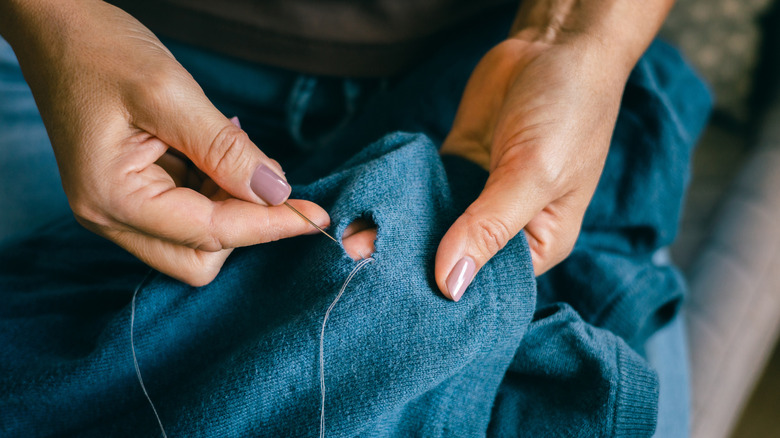
You would think that a busted seam or missing fasteners would be a major giveaway of a poor-quality selection, but as Elizabeth Cary exclusively tells us, these kinds of details are not necessarily a dealbreaker. In fact, they may point to a future treasure. "People often fail to see that so much can be restored," she says, pointing out that 'replacing buttons, repairing a seam, and fixing the hem' are usually quick repairs. "I would never give up a nice garment because of such minor issues as the need for repairs," she continues. "All that matters to me is a good quality fabric worthy of preservation."
That's where a thorough examination of the item you're considering comes in especially handy. "Whenever possible, try to shop as a crafter and not as a consumer," Cary advises. "Turn the garment inside out and examine the construction carefully, paying attention to seams, stitching, lining, and previous repairs." This will not only tell you which minor repairs might be worth the effort, but also what effort previous owners have put into it. "Good clothing will always tell its story from the inside, and well-performed repairs often tell me that the owner valued the garment instead of treating it as disposable."
How to take care of vintage clothing
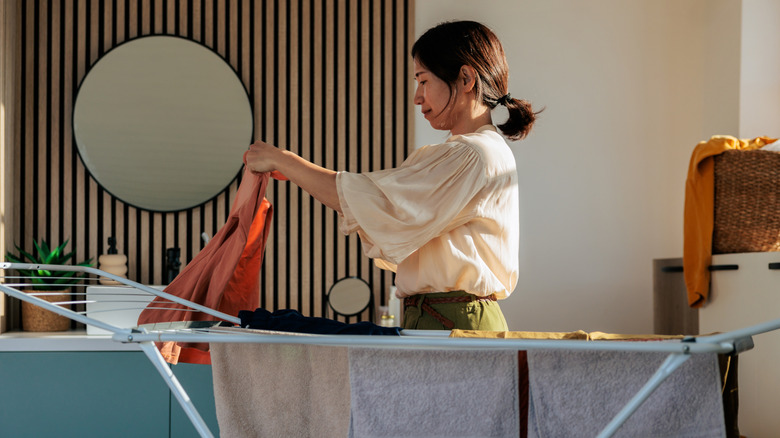
So you've got your new-to-you cashmere sweater or wool peacoat. You examined the fabric before buying, took note of any signs of fabric deterioration, regretfully returned any affected items to their place in the racks, and considered the potential for minor repairs and possibly even made some. How do you make sure that your aged wardrobe doesn't meet the same fate as so many of those you've shunned in-store?
"One thing that crafting taught me is the importance of consistent care in prolonging the life of the garment," Cary exclusively tells Women. Fortunately, it doesn't take a degree in textiles to take care of your Goodwill finds, just a few prudent precautions. "Whenever possible, I recommend washing vintage items in mild conditions, using mild detergent, and avoiding high temperatures," Cary continues. "Aging fibers appreciate this treatment."
But your mindset is the most important factor in maintaining your historical fashion. "One should start thinking like a conservator of textile items and not as a mere owner of the item," Cary concludes. "Fixing loose seams, replacing missing buttons, and repairing tears will take just minutes, but will significantly prolong the life of your garment. And it is one of the greatest joys of crafting."