

Millennial Makeup Trends Boomers Will Never Understand
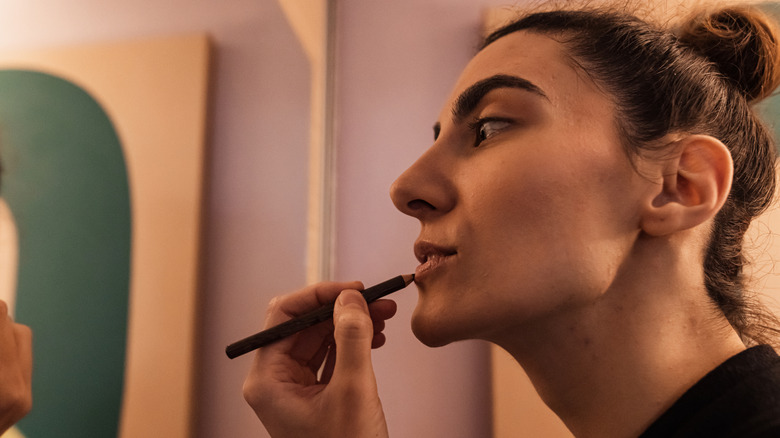
Baby Boomers, born between 1946 and 1964, experienced a range of influential makeup trends. In the 1940s, World War II meant cosmetic products were rationed, and red lipstick was made popular due to patriotism and the prominent Old Hollywood Glamour aesthetic that dominated the era. As makeup entered its golden age in the 1950s, cosmetic trends evolved into bolder looks, using creamy foundation and powders, with Marilyn Monroe's signature red lip kept at the forefront. With the 1960s came bolder, geometric makeup trends, characterized by the Mod movement.
Makeup trends have changed drastically and will continue to do so, and the fads that shaped the aesthetics of Baby Boomers are in sharp contrast to the cosmetic crazes popularized by Millennials, born between 1981 and 1996. While each generation embraced vibrant, defined lines, those born in the 1980s and 1990s reinterpreted these elements in vastly different ways than earlier decades. Makeup fads in the 1990s focused less on glamour and more on grunge aesthetics, and with the rise of lip liner and darker color palettes, makeup enthusiasts shifted from highlighting their features to creating a more subdued, grunge-inspired look. In the 2000s — an era characterized by influential pop culture and beauty icons — metallic eyeshadows and strong blush became increasingly popular, making beauty trends brighter and bolder.
1990s: Smoky eyes
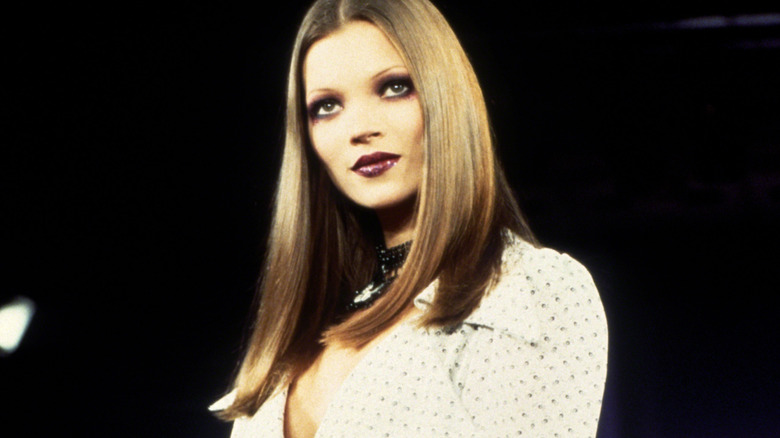
Smoky eye makeup was a big hit among fashion enthusiasts in the '90s. Figures like Kate Moss rocked the dark look on the runways, and even committed to the aesthetic on their days off, as did icons like Pamela Anderson. Grunge fashion also played a massive part in the rise of dark eyeliner and dark eyeshadow. Often, for a more daring appearance, wearers would smudge their eyes for a messy, blurred effect, and apply eyeliner into the waterline to darken the eye even further.
Boomers would have struggled to embrace the smoky eye because it's at odds with the trends they were raised with. In the '40s, makeup trends prioritized a bright, fresh appearance that drew attention to rounded red lips, and eye makeup was minimal. In the '50s, beauty trends strayed far away from looking exhausted or untidy, and the grunge-inspired eye look would have completely clashed with the Marilyn-inspired femininity. In the '60s, makeup trends prioritized looking wide-eyed rather than moody or tired, and people moved away from powders and used pencils to carefully curate sharp lines. While there are plenty of ways to rock a smoky eye, even if you have crow's feet, the grungey and sexy styling that accompanied smoky eye makeup was a distinctly millennial trend.
1990s: Outlined brown lips
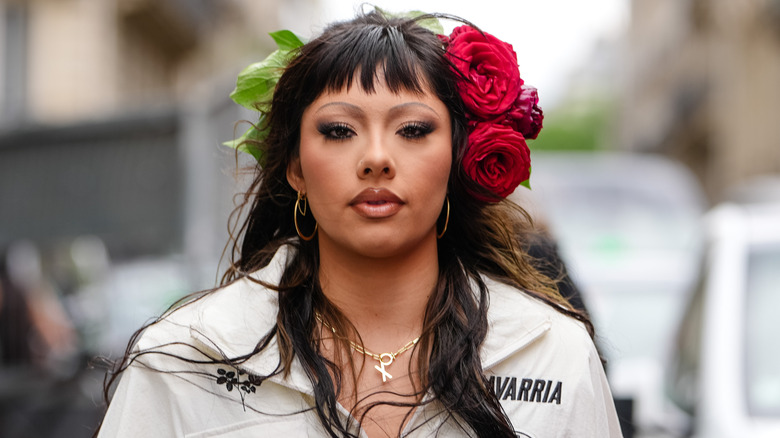
Millennial makeup trends of the '90s placed brown lipstick and lip liner front and center. To create the look, wearers would apply a glossy brownish-pink lipstick and use a darker shade of brown to outline their lips. The deep lip liner was left mostly unblended and stood out against the lighter lipstick, ultimately creating a sharp edge. During an era characterized by earth tones and grunge aesthetics, a moody lip combo blended seamlessly with almost any outfit. However, the brown lip trend was far from just a fad, and the craze was inspired by the makeup looks worn by women of color. As makeup brands excluded products suited to darker skin tones, Black, Brown, and Latina women used brown eyebrow pencils and eyeliner to define their lips.
It makes sense that Boomers would struggle to understand this lip craze. During World War II, heightened patriotism turned red lipstick into a symbol of national pride, and cosmetic brands in the U.S., like Bésame, even labeled red lipsticks "Victory Red Lipstick". Women were also encouraged to kiss the letters they sent to active military, and red lipstick made for a more romantic smudge. In the '60s, lips were kept more neutral to draw attention to bold, Mod eye makeup. Liners were also used to create doll-inspired effects on the eyes, rather than the lips.
2000s: Metallic eyeshadow
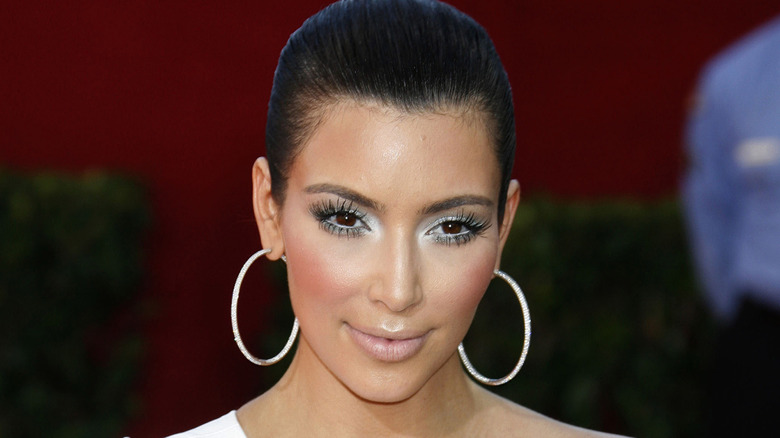
Metallic eyeshadow was a staple in the 2000s. While shiny hues created statement makeup looks, frosty silver and white shades created a futuristic appearance, popularized by pop culture icons like Kim Kardashian. The metallic tones blended seamlessly with experimental fashion trends and nodded to the era's fascination with award shows and red carpet fashion. To execute the look, makeup enthusiasts would not only cover their eyelids with the vibrant shadow, but would also blend their chosen shade into their waterline and just beneath the eye.
Metallic eyeshadow trends weren't popular for Boomers for many reasons. The Hollywood glamour aesthetic centered on red lipstick, femininity, and prioritized natural beauty. Also, rationing laws meant people would have prioritized staple cosmetic products, including mascara, creams, and red lipstick, and shopping lists wouldn't have included metallic eyeshadow.
While eye makeup evolved in the '50s, such bold looks were still a ways away. Makeup trends saw a rise in winged eyeliner thanks to Marilyn Monroe, but that would have been overpowered by metallic eyeshadow. Like the '40s, lipstick was also the center of attention in the '50s, but bold red lips were softened into shades of pink, suggesting cosmetic trends were shifting to more natural tones. Mod culture in the '60s did focus on more bold colors, but black eyeliner remained the defining feature of many eye makeup looks.
2000s: Fluffy eyebrows
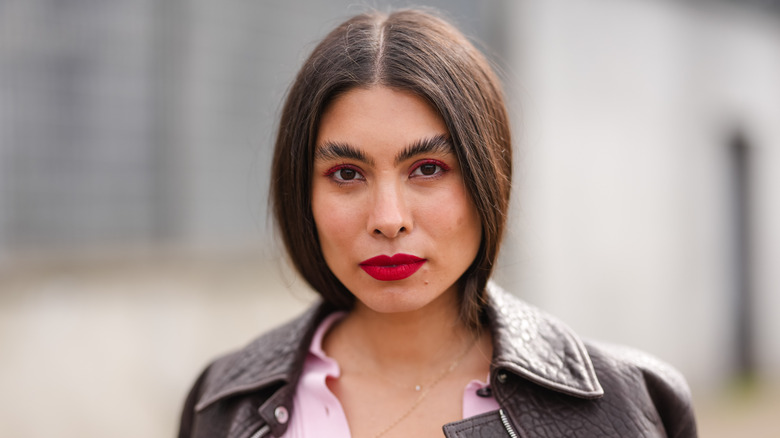
By the end of the 2000s, strong, fluffy eyebrows were all the rage. As pop culture continued to influence beauty trends, eyebrows evolved into unapologetic arches and helped promote a more natural, polished look. Eyebrows in the 2000s were a huge step away from the pencil-thin brows of the '90s, as they were left natural and brushed out to form thick and full shapes. Popular actors like Brooke Shields and the lack of maintenance helped popularize the voluminous trend, which revolutionized the makeup industry by allowing makeup enthusiasts to enhance their features, not just disguise or transform them.
Although thinner brows dominated Boomer-era makeup trends for decades, makeup trends become outdated and change over time. During the '40s, aesthetics prioritized looking sophisticated and elegant at all times, which means thicker, masculine eyebrows would have been avoided. After World War II, post-war prosperity fuelled consumerism once again. With more time for vanity in the '50s, makeup was more meticulously applied, and messy eyebrows would have been viewed as unglamorous. The doll-inspired aesthetic in the '60s focused on intense eye makeup, rather than drawing attention to the eyebrows. As people copied Twiggy's iconic '60s makeup, eyebrows were almost an afterthought when focusing on graphic eyeliner and false lashes.
2000s: Heavy pink blush
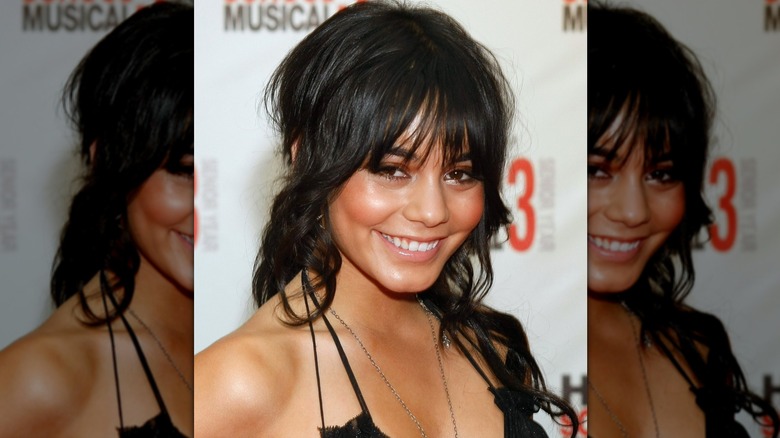
Heavy pink blush was a cornerstone of many 2000s makeup looks, as celebrities like Vanessa Hudgens paired rouged cheeks with smoky eyeshadow on red carpets. Not only was blush used to highlight the apples of the cheeks and contour the cheekbones, but it also sometimes came in glittery and metallic hues, falling in line with the icy metallic trends that appeared around the same time.
Heavy blush requires an obvious heavy-handedness, which would be understandably hard for Boomers to wrap their heads around. Makeup trends in the '40s prioritized scarcity and natural features, and the desire to be viewed as naturally stoic and flawless inspired makeup wearers to experiment with face powder. Rather than adding blush, translucent powder was kept to neutral tones and usually created a matte look rather than a flushed, shiny appearance.
While blush was used in the '50s, pastel, muted tones were much more popular, and vibrant shades of red were reserved for the mouth. Instead of being used to contour the face, in the 60s, light blush would be applied to the eyelids to create a more open, doe-eyed look, and pastel pink blushes on the cheeks would be kept to a minimum.