

5 Forgotten Books From The 90s That Deserve To Be Rediscovered

We may receive a commission on purchases made from links.
Remembering the '90s conjures mental images of slacker culture, Swatches, and MTV. Literature during this period, often written by upcoming Gen X authors, dealt with themes of alienation and consumerism. America was reeling from the economic boom and intense commercialization of the '80s, and literature was attempting to make sense of it. Shocking novels dealing with themes of hyper-masculinity and violence, like Bret Easton Ellis's "American Psycho" and Chuck Palahniuk's "Fight Club," were controversial, but quickly regarded as modern classics.
Fantasy enjoyed a major boom in popularity during this decade, and young adult series like "The Baby-sitters Club" and "Sweet Valley High" were broadly popular. Meanwhile, the chick lit industry was enormous, with confessional novels like "Bridget Jones's Diary" spending months on the bestseller lists. These stories captured the world in the last moments before the Internet transformed it forever.
The books below reflect the spirit of the '90s — in particular, the disillusioned, lost feeling that came to be the signature attitude of Gen X. Unlike "The Secret History," "Infinite Jest" or "The Virgin Suicides," they sometimes get left out of discourse about '90s literature. But they're definitely worth reading, and some of them have even been adapted for the screen.
High Fidelity by Nick Hornby
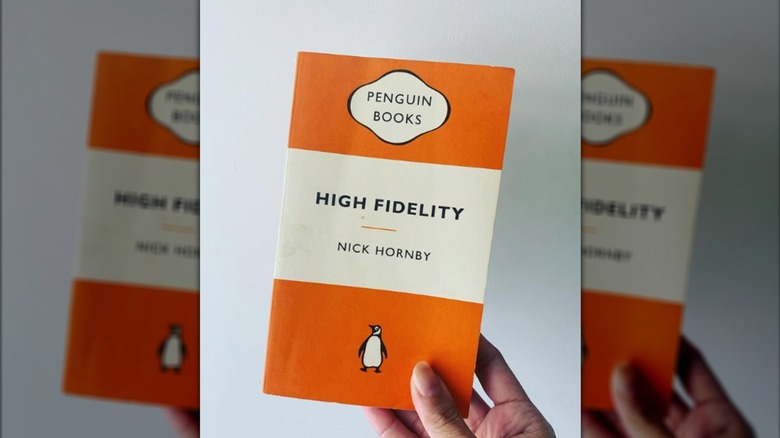
This 1995 book is one for the music nerds. In "High Fidelity," Rob owns a record store and is obsessed with making lists. His favorite albums. His favorite musicians. His favorite movies. When a terrible breakup sends him reeling, he decides to make a list of his all-time worst breakups. The project sends him on a pilgrimage back through the wreckage of his romantic life. What unfolds is a surprisingly tender examination of what it means to be vulnerable and really connect with another person.
Rob is, at times, a supremely unlikeable narrator. He's self-involved and obsessively preoccupied with music. "'High Fidelity' wouldn't work if it weren't so wonderfully, painfully funny. From the top-five lists, to the relentless bantering, to nearly everything Barry says or does, there's genuine humor that keeps you reading even once you realize that this book is no comedy," wrote one Goodreads reviewer. "[It] comes as close as any I've ever read to capturing the insecurities of the male ego, and the contradictions of male behavior, especially during a breakup. It's not a pretty picture, yet I can think of no higher praise for this book." Ultimately, this novel reads a bit like an inverted romantic comedy. The humor is dark, and the ending is complicated and bittersweet. Rob isn't exactly a rom-com heroine; he's whiny and self absorbed. Still, he's immensely relatable, and "High Fidelity" belongs among the best fiction books about music.
Midnight in the Garden of Good and Evil by John Berendt
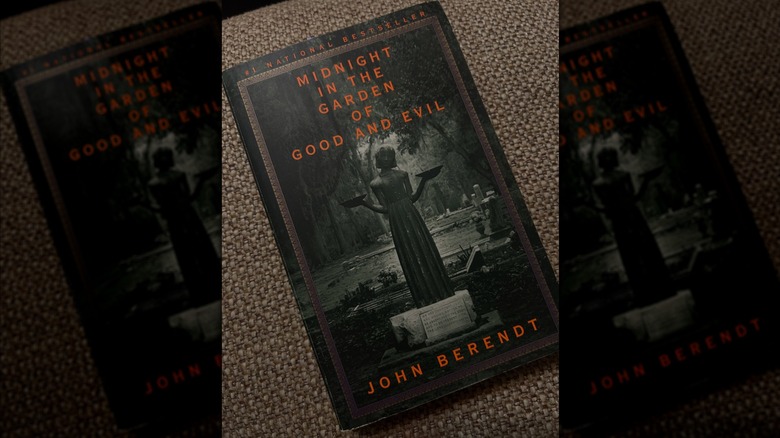
The true crime novel from 1994 will have you dying to book a flight to the live oak-lined streets of Savannah, Georgia. While it's ostensibly the story of a crime — the shooting of a man on his expensive Gothic estate — "Midnight In the Garden of Good and Evil" quickly unfolds into a much broader study of the unusual characters who call this Southern coastal town home. "One of the best 'true crime' book I have ever read. Every inch of the story is fascinating. It reads like a novel. I actually had to keep reminding myself that it was, in fact, a true crime book," wrote one Goodreads reviewer. "From the very first chapter I felt drawn in. I immediately wanted to go to Savannah and see it for myself."
Author John Berendt's reporting reveals the feel of Savannah, and the result is a remarkably nuanced portrait of the American South. Though Berendt is an outsider, he manages to reflect much of the region's complexity and is a generous author. In many ways, "Midnight In the Garden of Good and Evil" exemplifies '90s literature because it embodies the narrative nonfiction style that had officially emerged by this decade, and which was increasingly finding a mainstream audience. It also embodies the Southern Gothic revival that happened in pop culture during this era. Finally, it includes significant LGBTQ+ representation. Lady Chablis, who would later appear as herself in Clint Eastwood's film, rebutted many Southern stereotypes and reflected the region's vital queer and trans community.
Cold Mountain by Charles Frazier
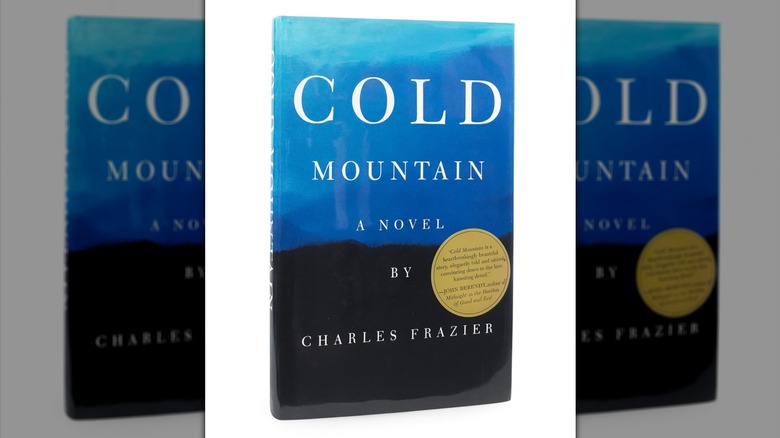
"Cold Mountain" is set in the south as the Civil War winds down, and it captures the story of Inman as he tries to make his way home. Charles Frazier's debut 1997 novel was incredibly popular at the time. It lasted on the New York Times bestseller list for more than a year and earned the National Book. Award. It's also one of the books that became an iconic Nicole Kidman movie.
"Cold Mountain" is a gorgeous, searing read that will stay with you, long after you put it down. In perfect '90s form, it seems to be a reimagining of an older classic piece of literature. "'Cold Mountain' is quite possibly the most beautiful book that I've ever read," wrote one Goodreads user. "[Inman's] is a Dante-like journey through the 'Inferno' of the American South (comparisons could also be made to Homer's "The Odyssey")."
This novel reflected a broader '90s interest in the Civil War, and both its female protagonists — Ada and Ruby — embody the decade's love of strong and independent female characters. At times, "Cold Mountain," with its vivid descriptions of the landscape and its quiet meditations on violence, is a quiet, patient read, which might help to explain why it's fallen out of contemporary discourse. But if you're willing to spend the time with it, it's an elegant and memorable novel.
Prozac Nation by Elizabeth Wurtzel
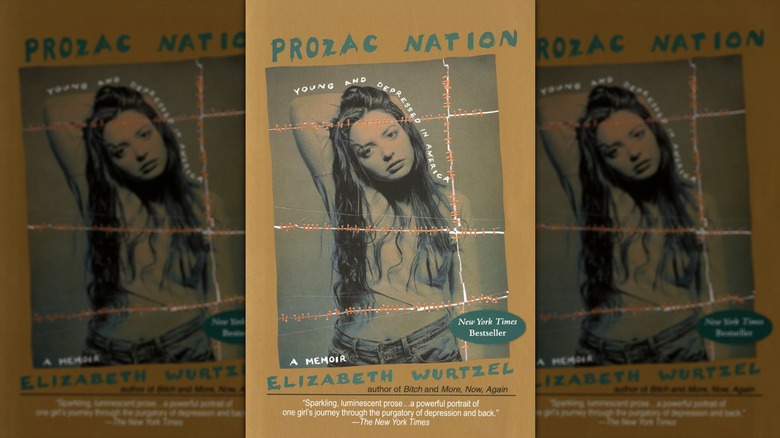
Few books capture the emotional landscape of Gen X like Elizabeth Wurtzel's 1994 memoir "Prozac Nation." The highly personal story — particularly claustrophobic inside Wurtzel's thoughts — captures a personal angle on the uptick in diagnosed mental illness and prescribed drugs. "This book is just so important and powerful in showing what it's really like living with depression," wrote one Goodreads reviewer. "Truly raw and brutal, but so insightful and beautiful." Wurtzel almost seems to anticipate the forthcoming social media era with her confessional writing style, which verges at times into oversharing. Her prose is littered with music and pop culture references that will delight any '90s kid, from Lou Reed to Bruce Springsteen.
Some readers have criticized Wurtzel's memoir as self-absorbed and bleak, which might be why it's fallen somewhat out of popular conversation. But other readers argue that these ostensible faults are just part and parcel of the book's charm, which is that it captures the nuanced feelings of what it's like to be depressed, including the challenge of overcoming the physical toll of anxiety and depression. Sometimes, part of a book's brilliance is not simply in being impossible to put down but in its ability to replicate a particular experience or consciousness, and Wurtzel does that remarkably well. "The prose was perfection, just to my liking; a lot of particulars, intertextuality from Springsteen to Plath, pinches of humor, nothing too poetic and essayistic tendencies," wrote one Goodreads reviewer. "Instant fan of Wurtzel."
A Thousand Acres by Jane Smiley
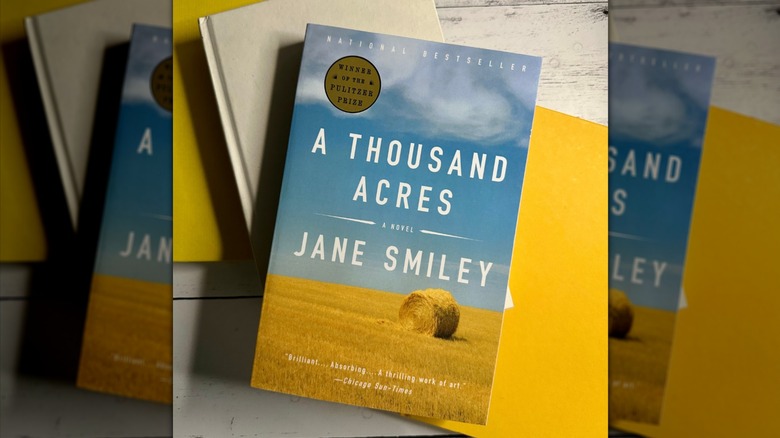
During the '90s, Shakespeare enjoyed a major boom in popularity. "Shakespeare In Love" dominated at the box office, and several teen comedies, like "10 Things I Hate About You," reimagined the Bard's work in contemporary dressing. However, of all that decade's explorations of Shakespeare, Jane Smiley's 1991 bestselling novel "A Thousand Acres" is among the best. Here, the dark story of King Lear is retold on the open plains of the American midwest. "Thanks to its setting, there is a lot of detail about the minutia of American farm life," wrote one Goodreads reviewer. "However, this tale is about so much more than tending corn fields and hog raising. It's about family, secrets, identity, and perspective shaping each person's truth."
The original tragedy follows Lear's relationship with his three daughters, and Smiley's updated version fits within the popular '90s trend of reconfiguring classic stories through a feminist lens. "A Thousand Acres" deals with questions of bodily autonomy and intersectionality, as well as the decade's growing awareness of domestic violence. In addition to feminist and environmental themes that reflect the era during which this novel was written, there is the signature engrossing plot of Shakespearean drama. "'A Thousand Acres' is a very readable book. This darkly dramatic story flows along at a rapid clip and it will definitely hold your interest," wrote one Goodreads reviewer. "Battles are engaged, dirt is done, plots are hatched, backs are stabbed, poison is prepared, truths are told, cars are crashed, lightning bolts flash."
Methodology

In assembling this list, an effort was made to choose books that exemplified the literary and cultural trends of the '90s, with particular attention given to theme and form. While many of these books wre extremely popular and well known during the era of their publication, they were considered to be "forgotten" if they have largely fallen out of contemporary discourse. In some instances, novels were selected if their respective film adaptation has overshadowed the original book.