

Vintage Sandal Trends That Deserve A Comeback
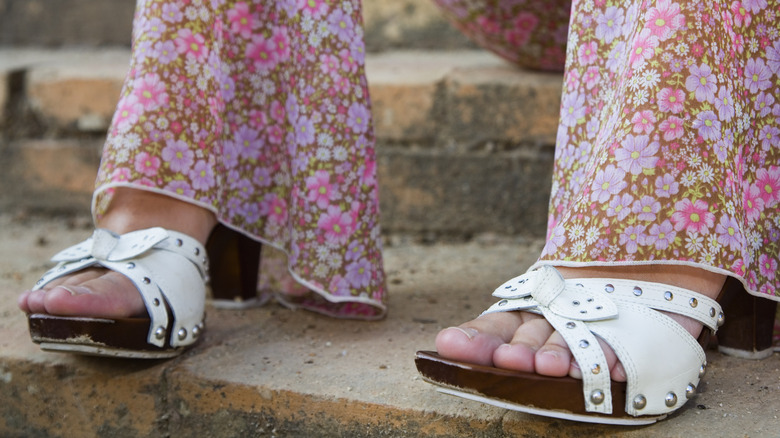
Footwear has always been a powerful sartorial tool. Shoes don't just reflect a person's fashion sense; they're also a microcosm of someone's personality. In fact, research suggests that, whether it's age, gender expression, or income, most people make judgments based on our footwear. As Marilyn Monroe famously put it, "Give a girl the right shoes, and she can conquer the world."
Like all fads, sandal trends resurface over time, and they can tell you a lot about the decade in which they were made popular. For instance, kitten heels made waves during the "Roaring Twenties," and shoes made from earthy materials became increasingly popular during the bohemian scene of the 1970s. In recent years, for the most part, fashion has been characterized by recycled trends. While new trends have emerged, fashion enthusiasts have become increasingly focused on making sure their entire outfit reflects a particular aesthetic, rather than simply using their shoes as a focal point. Thus, it's time to bring back vintage footwear. Maybe you'll find a sandal trend you can keep wearing with your fall outfits.
Vintage sandals are not only stylish, but also practical. Some classic elements have also proven to be totally ageless, including kitten heels, dainty buckles, bold embellishments, maximalist designs, and pops of color. The characteristics of these summer shoes have evolved to suit modern tastes. Vintage sandal trends may reveal a great deal about the decades they came from, but they also reveal a lot about where future trends are headed.
Open-toed Mary Janes are feminine and practical
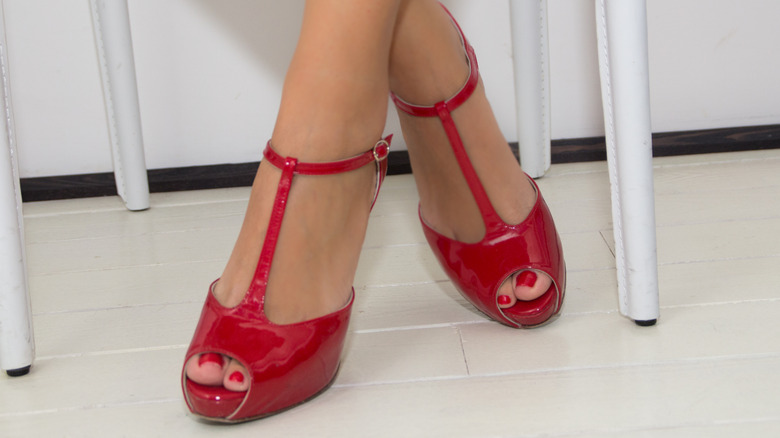
As women began wearing shorter dresses and skirts, it's safe to say that shoe trends catered to an entirely new demographic by the 1920s. By wearing shorter hems during the day and in the evening, women could now adorn their feet with shoes that would actually be seen. This led to a frenzy among designers who raced to create the perfect shoe. Enter: Mary Janes.
At first, Mary Janes were meant for children due to their practical and secure structure, but it wasn't long before flappers took a liking to them. Almost every pair of Mary Janes came with the signature strap across the foot, sometimes forming a "T" shape, fastened at the edge with a delicate buckle or button. The shoe was soon adapted into a trendy sandal, featuring an open-toe detail. While the dainty, feminine sandals made the prettiest addition to any daytime look, the small kitten heel and strap made it ideal for a fun evening of dancing.
In recent years, Mary Janes have been on the verge of a comeback, and deservedly so. However, balletcore aesthetics have transformed the classic design into something entirely different: a streetwear pump. Are Mary Janes even Mary Janes without a Charleston-inspired kitten heel? As balletcore brought dance-inspired shoes into casual daytime fashion, Open-toed Mary Janes deserve to reclaim their place as the ideal party shoe — but only if they're reproduced in their full glory, buckle, button, heel, and all.
Wooden heeled clogs have dramatically evolved
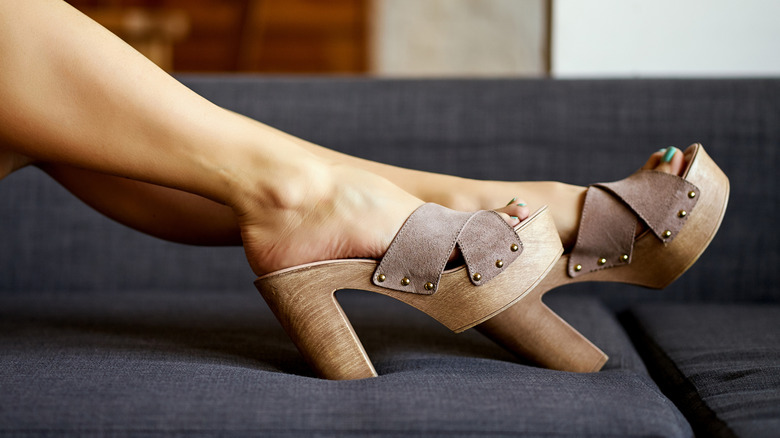
The stylish wooden clogs we recognize today date back to around the 1930s, but research suggests that the style could have even originated in Ancient Rome. Throughout history, wooden clogs have evolved to modern tastes and have found themselves at the forefront of some defining fashion trends.
The style became a major fad during World War II, when rationing restrictions limited consumer choices, and wooden and cork clogs became a retail therapy solution. In the 1970s, the shoe resurfaced as a prominent addition to the decade's bohemian aesthetics, but this iteration featured a large block heel. Wooden clogs were produced in a range of different styles, including patchwork fabrics, metal studs, laces, and buckles. The trending sandal was even featured in the final scene of "Grease," a musical that defined the era, when Sandy revealed her stylish transformation and strutted about the fairground.
As of 2026, clogs and clog-adjacent shoes are entirely unrecognizable. While brands like Birkenstock have popularized slip-on clogs, other shoe brands like Crocs have continued to produce various vibrant rubber versions of the shoe, and while practical and fun, neither style reflects the natural, heeled form that they once took. A more traditional example would be the Sophie Full Grain Sandal from Dansko — a company known for its clogs. After all, there's no doubt that the 1970s take on wooden clogs would blend seamlessly with the bohemian fashion trends that are coming back with a vengeance.
Strappy heeled sandals blend with the clean girl aesthetic
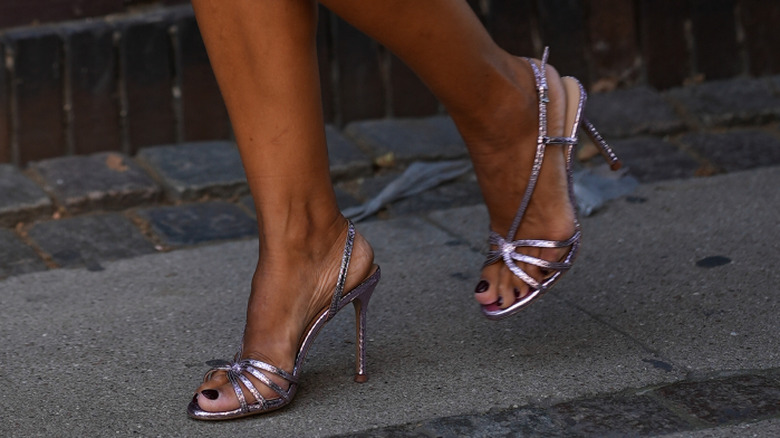
Fashion trends in the 1950s were inspired by a newfound obsession with femininity. Despite perpetuating unrealistic beauty standards, the end of World War II inspired a wave of consumerism. As straighter silhouettes became a popular fashion staple, women cinched their waists in dresses, generously applied red lipstick, and pinned their hair like never before. Chic strappy sandals completed their ultra-feminine ensembles. Considering the heeled sandals were produced in block-color shades and without bold detailing, including patterns, geometric designs, and adornments, they provided a subtle finish to any look. During the golden age of Hollywood glamour, the sandals' regal simplicity represented an effortless and refined approach to elegance.
Strappy sandals resurfaced as a major trend in the 1970s. However, this time, the shoe featured thinner straps, creating a "barely there" appearance. Despite evolving into a daring shoe staple, the heeled sandal continued to maintain its minimalist allure. As time went on, the shoe got a bit flashier and was being produced in metallic hues, worn by models in major magazines, including Vogue. As disco dominated the era, these metallic shoes were also being donned on the dance floor.
It's safe to say that these strappy sandals, inspired by femininity, minimalism, and a little bit of fun, seamlessly align with the understated elegance of the clean girl aesthetic that's arisen in recent years. As more feminine fashion trends also continue to gain traction, there's no reason this quietly captivating shoe can't easily make a comeback.
Mod sandals could be the pop of color maximalists are looking for
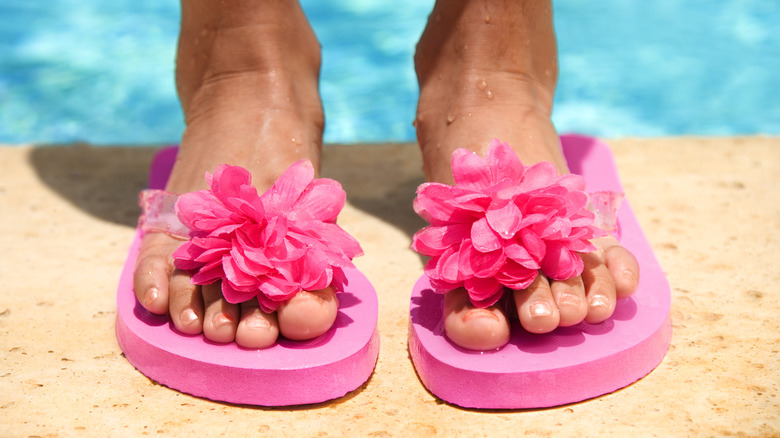
As Mod trends inspired a new generation of fashion enthusiasts to embrace sleeker statement silhouettes, vibrant patterns, and shorter haircuts, sandal trends in the '60s featured bolder, brighter designs. High heels were very much out during the "Swinging Sixties," as people were prioritizing comfort, reaching for flat shoes and smaller block heels. With the newfound love for a sleek aesthetic, Mod-inspired sandals were designed with thinner straps and open-toe finishes. Flip-flop sandals were relatively popular, too, drawing inspiration from surfing culture in California.
While sandal trends were characterized by neatness and sleek structure, they made up for their simplicity with lively color palettes and statement embellishments. Mod sandals in the 1960s were produced in bright hues to add a pop of color to any already vibrant outfit. Bright yellows, greens, and pink were incredibly popular colors, and glossy black shoes were also considered stylish. Mods may have preferred thinner straps and flatter soles, but they also didn't shy away from designs that featured giant floral adornments or geometric cutouts.
As fashion trends today move beyond quiet luxury aesthetics and into an era of maximalism, Mod sandals are ready for their revival. Vibrant pops of color have also been dominating runway collections in recent years, as have flip-flops, making the lively sandal the perfect addition to any summer ensemble.
Woven sandals deserve a heeled comeback
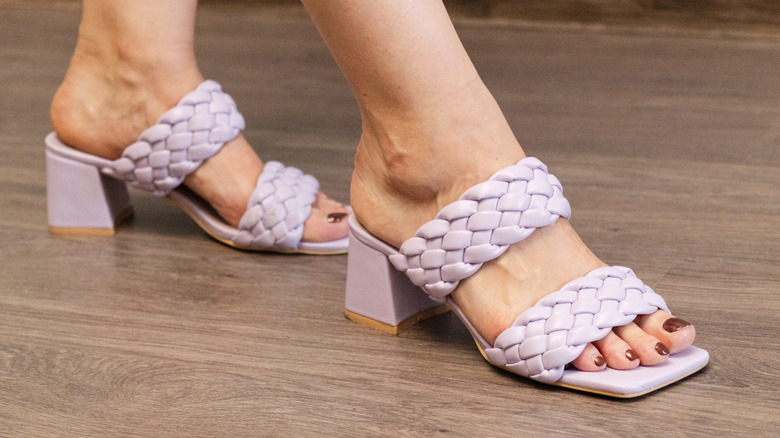
From denim, macrame, and rope, sandal trends in the 1970s were all about texture, and woven sandals were particularly popular. Not only did the knotted structure make for a textured shoe, but the plaited design was also considered delicate and feminine. As the decade's bohemian characteristics influenced a newfound love for natural fabrics and styles, woven sandals seamlessly finished any hippie-inspired look. They came as both flats and heels, featuring a block heel or a buckle strap. While woven strips provided coverage, the shoe's airy structure made for a breathable summer staple. Then, as festival culture dominated the decade, woven sandals were popularized as a versatile, practical shoe.
Although braided sandals have made waves as summer style trends, fashion enthusiasts are yet to bring back the bold, woven design. However, sheer and netted sandals have become increasingly popular, arguably setting the foundation for woven sandals to stage a comeback. While the modernized designs have evolved into flatter silhouettes, heeled woven sandals of the '70s would better suit the party-girl aesthetic emerging in 2026. Not only are they stylish, but produced in a range of vibrant colors and natural hues, there's no reason why the versatile shoe can't blend seamlessly with any look. Whether refined luxury is in or maximalism continues to take over, woven sandals just work.