

Did Natalie Portman's Author Pal Rip Off Her Life For A Book? The Literary Drama Is A Telling Look At Celeb Friendships
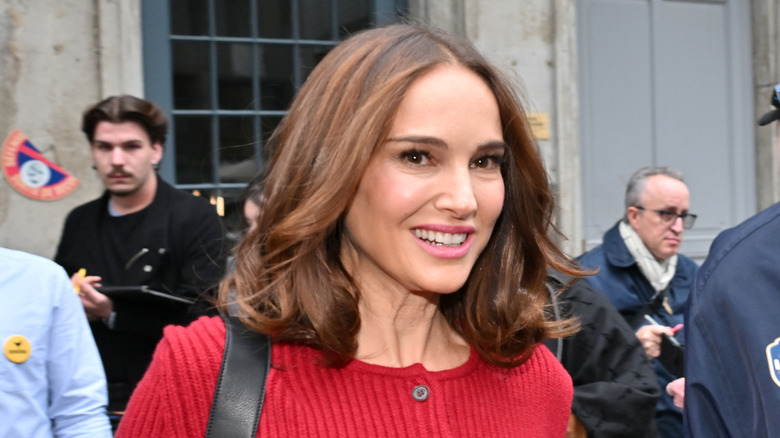
Natalie Portman has been one of Rachel Cusk's biggest promoters over the last few years, raving about the author's titles and even selecting them as picks for Natalie's Book Club. That might change, however, with the August 2026 release of "Life of M." According to those who have read Cusk's latest novel — including Valerie Stivers, whose UnHerd column first broke the drama — its central character is unmistakably based on Portman, and it's not a good look.
"Life of M" is about the friendship between a famous actress and the narrator, a writer who wants to document her life, but considering how the narrator describes M, it's hard to call such a relationship friendly. M is painted as narcissistic, pretentious, and dishonest. It's not a depiction anyone would enjoy reading about themselves, and indeed, word on the street is that M's offense upon reading the narrator's finished project is also based on Portman's reaction.
Even though "Life of M" has yet to be released, it's already raising ethical questions crucial to modern celebrity culture, chiefly: Is it ever okay to mine a famous friendship for material? The confusion may come down to a matter of consent. It's unclear if Portman approved of Cusk's project, but her fictional avatar complains that her portrayal is both untrue to her own understanding of herself and straight-up factually inaccurate, suggesting she wasn't exactly thrilled about the finished product. At a time when we've only just begun reckoning with the damage done by the privacy invasion of the tabloid and gossip blog eras, that's important, especially for a celebrity as notoriously private as Portman.
What are the ethical boundaries of author-celebrity friendships?
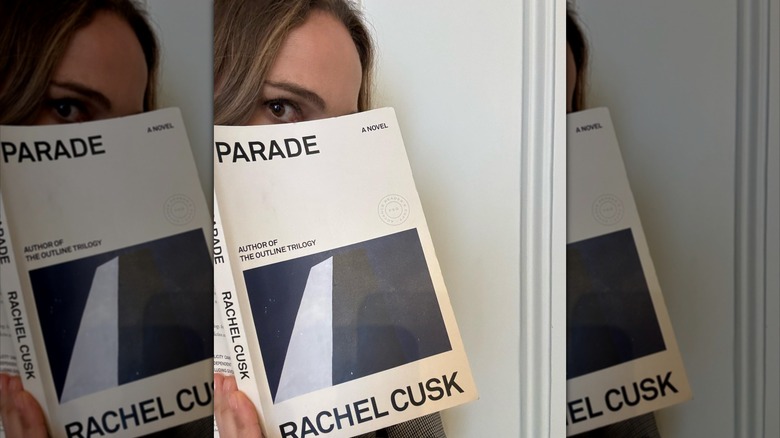
In "Life of M," the narrator's response to the character's objections seem to anticipate the discourse that arrived as expected: "It isn't you. It isn't anyone." Some may argue, like Stivers, that the book is bigger than Portman and she served as little more than a jumping-off point to explore larger themes like the nature of the self with a character who doesn't seem to have one. If that were true, however, it's puzzling that Cusk would make it so clear exactly who it was who doesn't have a self. If Cusk wanted to explore these themes through fiction, it seems that she could have invented a fictional character.
Of course, the inside scoop on the lives of the powerful has always made for heady fiction. Back in the 2000s, there was a whole genre of books like "The Devil Wears Prada" that uncovered the realities of being a small fish in someone's big pond. When it comes to "Life of M," however, there are important distinctions to consider. One is that Cusk and Portman were friends; the Lauren Weisbergers of the literary world had strictly professional relationships with the Anna Wintours, so it's reasonable to argue that betrayal isn't even a possibility.
Another, however, is perspective. Weisberger wrote about her experience working for Wintour, not Wintour's life, and that subject should fall under the sole authority of the person who lives it. With today's most popular books about celebrities being written by them, not about them, the public has made it clear that they're not interested in forcing people to reveal anything about themselves that they don't want to. The "celebrity exposé" is decidedly out, or at least considered a serious jerk move.