

Daily Habits To Help Older Women Keep Their Social Circle Strong
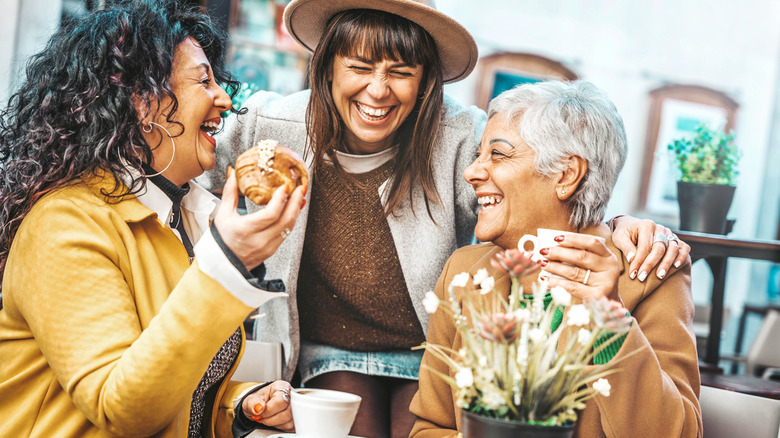
Friendships can look very different as we get older. While some women maintain the same close-knit group they had for decades, others find that big life changes — like retirement, children leaving home, moving, caregiving responsibilities, or simply having less free time — can naturally shift their social circles. And while it is completely normal for friendships to evolve, many women find themselves wanting to reconnect, meet new people, or simply make more time for the relationships that bring them joy.
The good news? Maintaining a strong social life doesn't require constant plans or having a huge group of friends. Often, it comes down to small, intentional habits that keep those connections alive. Whether that means sending a quick text, accepting an invitation, joining a new activity, or reaching out to someone you haven't spoken to in years, hanging with your friends is more than just good for your soul, and small efforts make a meaningful difference.
Women spoke exclusively with Dr. Sanam Hafeez, NYC neuropsychologist and Director of Comprehend the Mind, to learn some daily habits women can adopt to keep their social circles strong well into their 60s and beyond. According to Dr. Hafeez, friendships aren't just about companionship — they can also play an important role in emotional well-being, staying active, and maintaining a sense of purpose as we age. Research supports this connection, too. Studies from Harvard Health have found that maintaining meaningful relationships is linked to healthier aging, improved emotional well-being, and stronger cognitive health.
Friends help you process
Friendships aren't just about having someone to meet for coffee or share hobbies with — they can provide meaningful emotional support during every stage of life. Dr. Hafeez explains that staying connected with friends can help reduce feelings of loneliness and isolation, while simultaneously creating a stronger sense of belonging. "Meaningful conversations can help people process life's challenges and feel understood," she says.
Those emotional benefits can also influence physical habits. Dr. Hafeez points out that friends often motivate each other to walk, exercise, attend events, or stay involved in hobbies that keep the body moving. Having someone to share activities with can make it easier to stay consistent with healthy routines, especially when motivation is harder to find alone.
Research has repeatedly shown that social relationships are tied to better health outcomes as people age. Harvard Health reports that social engagement may help preserve memory functions, and that socially isolated adults face increased risks of cognitive decline and other health concerns. A large review published in PLOS Medicine also found that stronger social relationships were associated with a greater likelihood of survival, showing that connection can have measurable effects on longevity. The goal is not to maintain the largest possible friend group. Instead, experts emphasize the importance of relationships that make you feel supported, understood, and valued.
Regular effort matters
One of the simplest ways to maintain friendships as you get older is to stop waiting for a special occasion to reconnect. Dr. Hafeez recommends making communication a regular habit rather than something that only happens during birthdays, holidays, or major life events. If that sounds like you, look out for the subtle signs you might be a bad friend.
"Strong friendships don't stay strong without regular effort," she explains. "Sending a quick text, making a short phone call, or checking in with someone for just a few minutes each day helps keep relationships active instead of only reconnecting during major life events." These small interactions may feel simple, but they help maintain emotional closeness over time.
Harvard Health similarly recommends treating social connection as an important part of overall wellness rather than something that can happen only when there's extra time. The publication encourages older adults to regularly call, email, or meet with friends because relationships often weaken when they're not intentionally maintained.
Start small
It can become easier to decline plans as life gets busier or as routines become more comfortable. Staying home may feel simpler, especially after years of managing responsibilities, but Dr. Hafeez says making an effort to accept invitations can help prevent friendships from slowly fading away.
"It's easy to turn down plans because you're busy, tired, or staying home feels more comfortable," she explains. "Making a habit of accepting invitations whenever you reasonably can keeps relationships from fading and exposes you to new experiences and people." Even small activities, like meeting a friend for coffee, taking a neighborhood walk, or attending a community event, can strengthen social bonds. The benefits extend beyond simply having someone to spend time with. The National Institute on Aging also emphasizes the importance of staying socially connected as we grow older. The agency notes that maintaining relationships can help reduce loneliness and social isolation — two factors associated with higher risks of depression, heart disease, and cognitive decline.
Dr. Hafeez also notes that making social plans can create something positive to look forward to. "Having people to connect with, support, and spend time with gives many older adults something to look forward to and helps improve overall life satisfaction," she says. That doesn't mean saying yes to every invitation or overloading your schedule. Instead, the goal is to remain open to opportunities that bring connection, enjoyment, and shared experiences.
It's okay for your circle to change
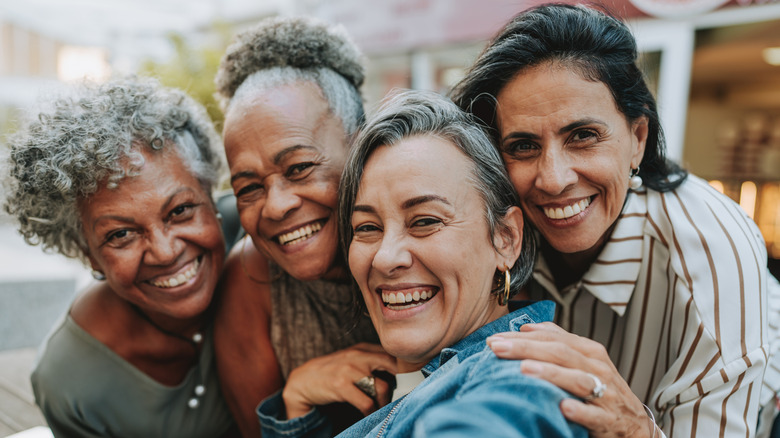
When many women reach their 50s, they've already spent decades focusing primarily on work, children, partners, or family responsibilities. When those priorities finally shift, it can create an opportunity to reconnect with friendships that were put on pause, or build new relationships entirely.
Dr. Hafeez says this experience is more common than many people think. "Many women reach their 50s and realize they've spent decades putting their careers, children, or other family responsibilities ahead of their own friendships," she exclusively explains, adding that there's no reason to feel guilty if your social circle looks different than it did years ago. Instead of trying to immediately create a large network, Dr. Hafeez recommends starting with one or two people. Reaching out to an old friend, joining a book club, attending a fitness class, volunteering, or participating in community events can create opportunities to meet people with shared interests.
Building friendships later in life can sometimes feel uncomfortable because adults are often waiting for someone else to make the first move. However, many people are experiencing the same desire for connection. Taking initiative — even in a small way — can be the first step toward creating friendships that feel meaningful and supportive.
Feeling fulfilled
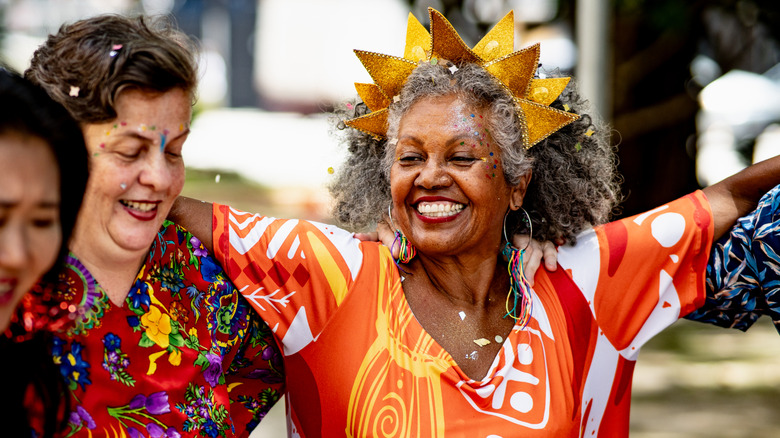
When rebuilding or maintaining a social circle, the goal shouldn't necessarily be having the most friends — the focus should be on cultivating fulfilling relationships. Dr. Hafeez explains that meaningful friendships are often the ones that provide emotional support, encouragement, and a sense of belonging.
"Focus on finding people who make you feel comfortable, supported, and energized rather than trying to fill your calendar with as many social plans as possible," she says. This can be especially important as women enter new stages of life, when shared experiences and values often become stronger foundations for friendship.
The Harvard Study of Adult Development has repeatedly emphasized the importance of relationships, with research director Dr. Robert Waldinger explaining that close relationships are one of the strongest predictors of happiness and health throughout life. Dr. Hafeez says maintaining these connections requires intention, but it doesn't need to feel like work. "Building meaningful friendships after 50 takes intention, but the connections are often deeper because they're based on shared values, life experience, and genuine choice rather than convenience," she explains.