

Outdated Boomer Skincare Trends That Younger Generations Will Never Understand
We may receive a commission on purchases made from links.
When it comes to skincare, there are noticeable trends amongst different generations. According to a Nielsen "Beauty Behavior Through the Generations" report, Gen Z cares a lot about products that are clean and free from animal testing, while Gen X and Boomers look at practical factors, such as packaging. There are also certain beauty practices that Boomers followed, which younger generations may never understand. From applying burning toners to the face to never wearing sunscreen, the nightly routines of the 1970s are likely to make most Millennials and Gen Z gasp.
Boomers were unfortunately less informed about certain things, such as sun damage so it's understandable why they would't think of it, or skincare as a priority. Some firmly believed moisturizer should only be used on certain skin types. Decades later, the younger generations have the luxury of being able to learn from those mistakes. Let's have a look at some outdated Boomer skincare trends and why they should stay in the past.
Using moisturizer only on dry skin
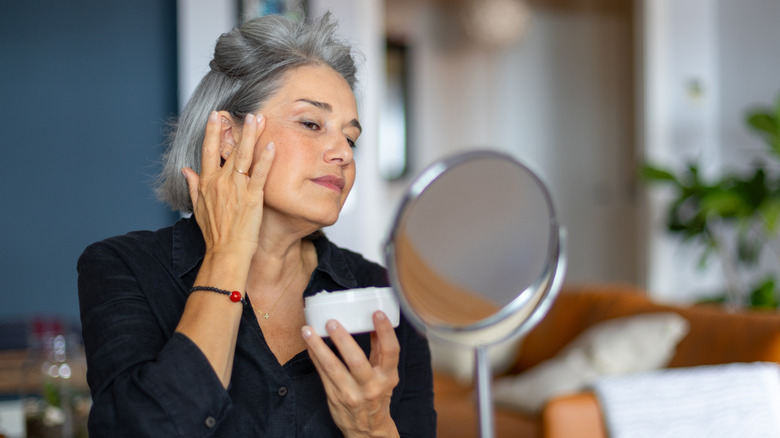
Given that Millennials and Gen Z are known for their multi-step skincare routines, it's fair to assume most are using moisturizer. However, for many Boomers, moisturizer is (or was) at some point totally optional. On the Reddit sub, r/AskOldPeople, users shared their experiences growing up and believing the myth that you should not use a moisturizer if you have oily skin. "I never used it [moisturizer] when I was young. I had oily skin..." wrote user alwaysalbiona. On a different thread., user Pudacat shared, "[In the '80s] moisturizer was for older women and was considered to cause breakouts."
Of course, this belief stems from a misunderstanding about how the skin actually maintains moisture. The skin may be producing sebum (oil), but still lack hydration (water) in its cells. If you skip moisturizer on oily skin, the skin compensates by producing even more oil. This can actually lead to clogged pores.
A good moisturizer helps your skin to find an equilibrium. It also protects the skin barrier, which is important when faced with environmental factors. These days, there are far more options to choose from, with different moisturizers for different skin types and concerns. Worried about acne? Speaking to Bustle, Dr. Eric Schweiger said, "Look for non-comedogenic moisturizers, meaning they won't clog pores." He adds that, "moisturizers that contain glycerin, hyaluronic acid, aloe, and squalane, which won't trap oils into the pores." If you're looking for a moisturizer that will leave you with dewy, glowing skin, try CeraVe AM Facial Moisturizing Lotion.
The obsession with tanning and not caring about sun protection

It was not uncommon for people who grew up in the 1970s to spend hours laying in the sun without sunscreen to get a bronzed look, as several Redditors posted about on the sub r/BoomersBeingFools. Of course, this increases the risk of skin cancer due to the sun's harmful UV rays. The Skin Cancer Foundation indicates that one in five Americans will develop skin cancer by age 70. Tanning (even indoors) could also speed up the signs of aging (i.e. wrinkles, sun spots, and redness), too.
Unlike their Boomer parents, Millennials and Gen Z are all about sun protection, as seen across countless GRWM videos on the r/beauty thread. Many products, such as moisturizers, now come with SPF protection. The American Academy of Dermatology Association recommends people use sun protection with an SPF of 30 or higher.
Of course, you need more than sunscreen to protect against UV rays during the summer. It's a good idea to wear a hat, too. If you want that bronzed look, opt for something safer, such as a spray tan, or DIY your own with Body Drench QuickTan Bronzing Spray.
Scrubs with physical exfoliants

The older generations swore by physical exfoliants, from walnut, to apricot, and even coffee grinds. Aapri (an apricot facial scrub) for example, was all the rage in the 1980s. One user in their 50s posted on r/SkincareAddiction that they found a walnut scrub in their spouse's skincare stock and was mortified. Rightly so, as some of these exfoliants may do more harm to the skin than help. Dr. Dendy Engelman, a cosmetic dermatologist, spoke to Byrdie and warned that the pieces of the exfoliants "can also create micro-injuries in your skin, as the fragments are often too large and abrasive for the skin of the face."
Although physical scrubs are still widely available, the younger generations take a totally different approach to exfoliation, with many reaching for chemical options like salicylic acid and glycolic acid. These products help achieve an even complexion without being as harsh as physical exfoliants.
If you simply can't let go of your physical scrubs, Dr. Engelman recommends using them a maximum of once per week. Dr. Jenna Queller also spoke to Byrdie and recommended looking for scrubs with "round beads or enzyme-based grains." The JUARA Radiance Enzyme Scrub from Amazon, for example, consists of gentle jojoba and bamboo beads. Dr. Queller also advised that people with sensitive skin or acne-prone skin should avoid physical scrubs. Many Reddit users on r/SkincareAddiction echoed the above sentiments, commenting that physical scrubs led to more inflammation and bacterial infections.
Using Noxzema cold cream to cleanse and remove makeup
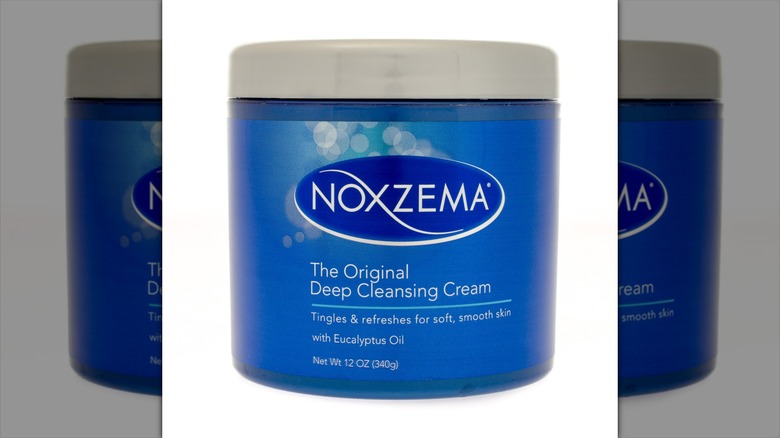
Invented around 1909, Noxzema was a type of cold cream used to remove makeup, dirt, and oil from the skin. It was made with eucalyptus oil, camphor, soybean oil, and menthol. This combination of ingredients left the skin with a tingling, clean feeling. Noxzema Deep Cleansing Cream was marketed as greaseless and could be rinsed off with water. On Reddit, several users confirmed the ingredient was a staple in their and their parents' medicine cabinets. "My mother had good skin well into her 80's and this was all she ever used," wrote user different_yam_7364. Another wrote "I'm 60years old I have used noxema since I was 12."
Of course, the product had other uses, like treating sunburn. However, certain ingredients (like fragrances) in the cream could potentially irritate the skin further. The oils in Noxzema and other cold creams may also clog pores and lead to breakouts.
Millennials and Gen Z would probably shudder at the thought of applying a thick, tingling cream to their skin to remove makeup. Today's younger generation prefer thinner, oil-based cleansers or products with micellar water, such as Garnier Micellar Water. Products like the latter are popular because they're effective at removing makeup and help to retain hydration (unlike soaps or harsh cleansers which may strip the skin of moisture).
Applying Sea Breeze astringent to get that clean feeling
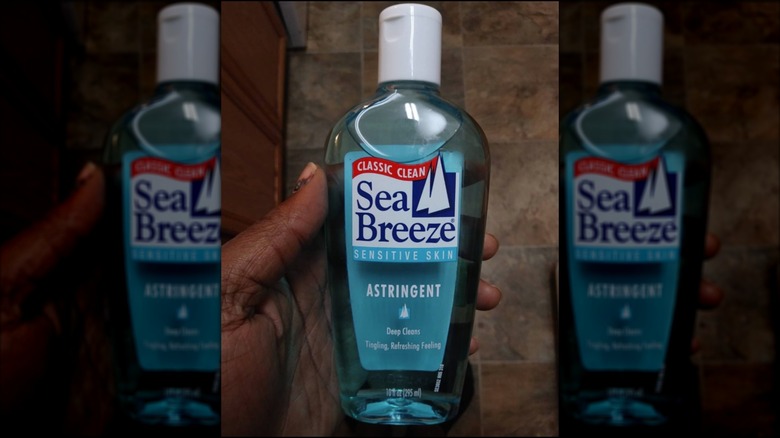
Sea Breeze is an astringent that peaked in popularity during the 1980s and 1990s. On the Reddit sub, r/vintageads, one user (thurbermicroscope) described how it burned when applied to the skin. This is expected, as the original Sea Breeze contains alcohol, eucalyptus, camphor, and clove oils. As we now know, alcohol-based products can dry out and potentially irritate the skin. But, Sea Breeze was marketed as a product that would leave the skin squeaky clean, cleaning pores of dirt, oil, and makeup.
Surprisingly, Sea Breeze can still be found on Amazon. But, these days, younger generations prefer to go with soothing skincare toners over harsh astringents. And thankfully, toners on the market today are moisturizing, too. Some also contain eucalyptus oils like Sea Breeze does, but they also contain aloe, hyaluronic acid, and other ingredients that are safe for sensitive skin. One option is Glow Recipe's PHA + BHA Toner found on Amazon. It contains watermelon extract, cactus water, and hyaluronic acid.