

5 Of The Best Books By Louisa May Alcott That Aren't Little Women
We may receive a commission on purchases made from links.
There's a reason that "Little Women" is a literary classic. Louisa May Alcott's most famous tale of sisterhood and feminine ambition in Civil War-era New England is often the first big-girl novel read by many real-life little women, and its witty style and immaculate cozy vibes that give all the fall feelings make it eminently re-readable. Sometimes, however, even the biggest "Little Women" fans need to switch things up.
Those looking to the Alcott catalog for more of the same will quickly run into a problem; Much like her stand-in, Jo March, Alcott was often compelled by the reader tastes of the day to write sensationalist stories, although unlike Jo, Alcott didn't mind it. "I fancy 'lurid' things, if strong and true also," she once wrote in her teenage diary, referring to her assigned reading of "The Scarlet Letter." As a result, fans of her more sentimental stories face a minefield of pulpier interests. To help you out, we've sifted through Alcott's oeuvre and gathered up her best books, aside from "Little Women", which you should add to your TBR.
5. Work: A Story of Experience
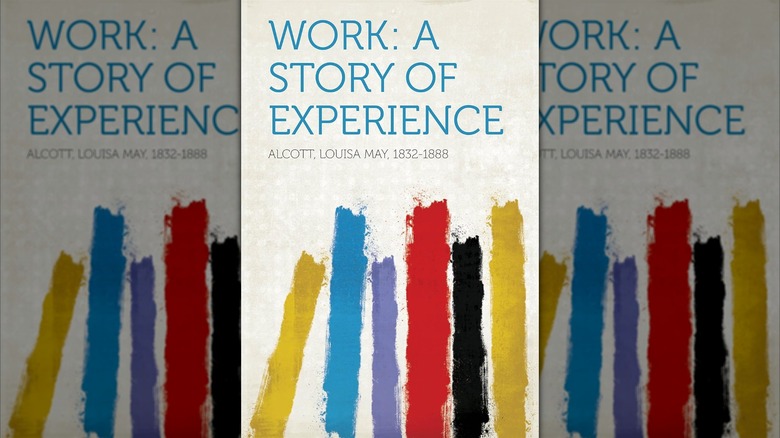
"Little Women" was based on Louisa May Alcott's real family, so readers looking to delve deeper into the author's fictionalized life find it in the semi-autobiographical "Work: A Story of Experience". It begins with the orphaned Christie Devon's "New Declaration of Independence," which is her intention to 'travel away into the world and seek [her] fortune,' having grown resentful of the dependence that keeps her tethered to the family home. She embarks on a series of jobs within the fields open to women at the time — servant, actress, governess, lady's companion, seamstress, and Civil War nurse, all positions Alcott herself held — but finds that paid employment doesn't provide her with the independence she'd hoped for.
It's easy to see why the Library of America referred to "Work: A Story of Experience" as 'the adult 'Little Women'.' Its themes of women's self-determination and the tension between family and independence, as well as the value of work inside and outside the home, will be familiar to fans of Alcott's earlier blockbuster. The organization also hailed it as Alcott's 'most overtly feminist novel,' so those who resonated most deeply with the gender issues of "Little Women" will especially appreciate "Work: A Story of Experience".
4. Little Men: Life at Plumfield with Jo's Boys
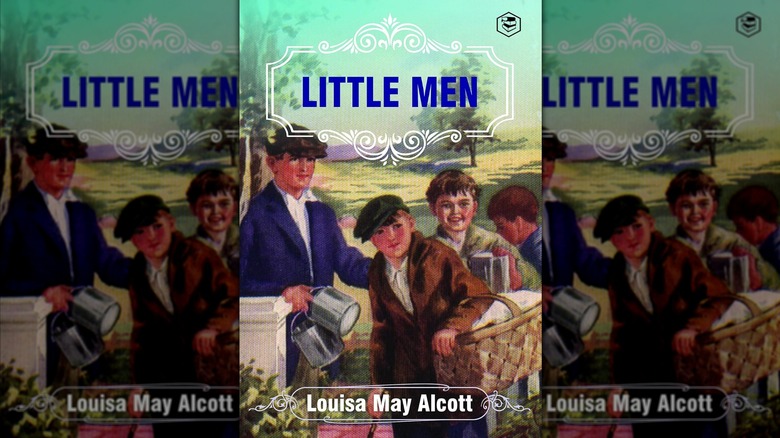
Of course, high on any "Little Women" fan's TBR is almost certainly its sequel, "Little Men". Remember the school for boys opened by Jo after she inherits Aunt March's estate at the end of "Little Women"? "Little Men" is the story of that school and those boys. While 13 boys (as well as, eventually, two girls) call Plumfield home away from home, it's Nat, a poor orphan who flourishes under Jo and her husband's teaching, who earns special attention from Alcott.
"Little Men" is perfect for fans whose chief attraction to "Little Women" is its cozy autumnal New England setting and slow pace of life. Like the March sisters, nothing much exciting happens to Jo's boys, although they do similarly reckon with tragedy. As one critic put it, "Little Men" is 'full of the charming naturalness, sweet simplicity and tender sentiment' of Alcott's earlier works. For bonus points, "Jo's Boys, and How They Turned Out" completes the March sisters trilogy.
3. Jack and Jill: A Village Story
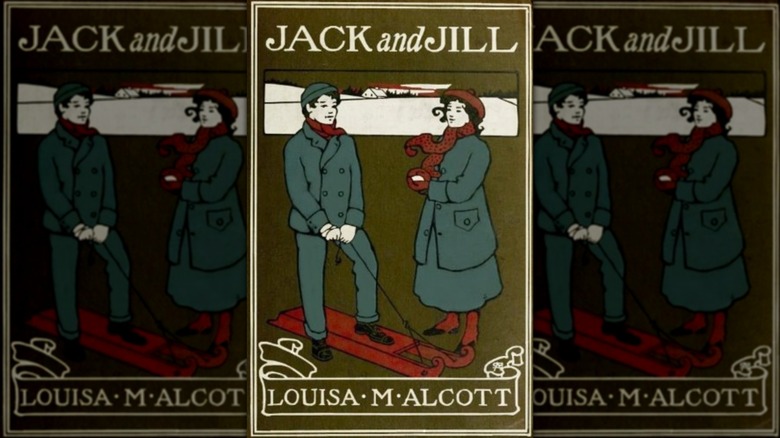
Just as the March sisters grow from petulant children to mature adults over the course of "Little Women," so too do the title characters of "Jack and Jill", although life teaches them prudence in a much harsher lesson. It's all set in motion one fateful day when Jack and Janey (nicknamed "Jill" after the nursery rhyme for her and Jack's inseparability) take a risk on a dangerous sledding hill and pay the price. Over the next several months, they and their families cope with the consequences of the children's injuries.
Alcott was never one to shy away from the realities of pediatric health issues in the 19th century, as evidenced by Beth March's tragic contraction of and death from scarlet fever. The author's approach to children's disabilities and the repercussions of impulsivity earned praise from critics, who said it had 'all the qualities with which she has so successfully appealed to the heart and the imagination of children, and which have made the better class of her writings very fascinating to older people as well.' Many compare it to "Little Women," suggesting its similarity to Alcott's older work.
2. Eight Cousins, or, The Aunt-Hill
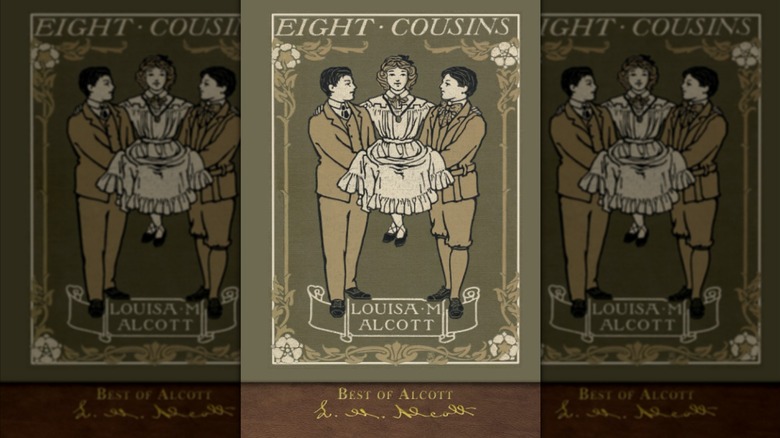
If the family relationships were your favorite part of "Little Women," you'll find that "Eight Cousins", as you might expect from the title, is bursting with them. After the sickly 13-year-old Rose Campbell is orphaned, she's sent to live with her six eccentric aunts and their seven sons on their Boston estate cleverly called the Aunt Hill. With the return of her Uncle Alec — a doctor who competed with Rose's father for her mother's love years ago and promised to care for Rose if they died — her health improves, and she learns the value of family.
"Eight Cousins" didn't really age well, featuring Chinese characters critics have compared to Mickey Rooney's performance in "Breakfast at Tiffany's" and the scheming of Rose's aunts to marry her off to one of their sons, but it's an enduring favorite among Alcott fans. The low-stakes drama, gender dynamics, and family bonding are just what they've come to appreciate about the author. It's an especially good read for a summer holiday, as part of it is set around the Fourth of July.
1. An Old-Fashioned Girl
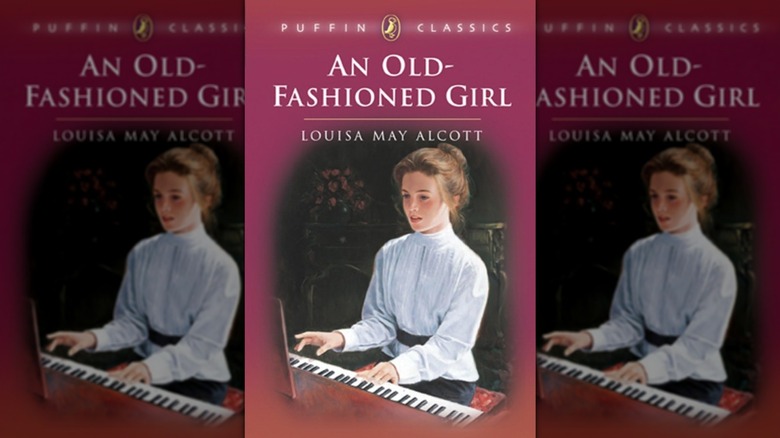
One of the biggest themes in Louisa May Alcott's work is the conflict between what she saw as frivolous pursuits, like wealth and beauty, and old-fashioned family values of hard work, education, and kindness. It's clear whose side she's on in "An Old-Fashioned Girl", which follows 14-year-old Polly Milton to the urban home of her glamorous cousin. As a little fish on extremely dry land, Polly navigates a more sophisticated but much colder world in which she's hopelessly outmatched.
Naturally, Polly succeeds at warming the hearts of everyone she meets, teaching them what really matters in life. She manages to combine the best qualities of all four March sisters in a bildungsroman that reminds readers of the importance of staying true to yourself and being there for those you love. It's no wonder that "An Old-Fashioned Girl" is one of Louisa May Alcott's highest-rated works among her readers.
How we came up with this list
We reviewed Louisa May Alcott's bibliography of novels for works that share thematic, style, and plot elements with "Little Women," excluding short fiction and other non-novel works. Specifically, we looked for coming-of-age stories that centered family relationships and the empowerment of girls and women, especially those that featured some of the same characters as "Little Women" and its cozy New England setting. We then ranked the selected titles by their average Goodreads review scores.