

6 Tips For Applying Bronzer To Mature Skin (& What Not To Do)
We may receive a commission on purchases made from links.
Bronzer has the power to instantly warm the complexion, add dimension to the face, and create that coveted sun-kissed glow. But when it comes to mature skin, the techniques that worked in your 20s and 30s don't always deliver the same results. Changes in skin texture, elasticity, and facial volume mean that bronzer placement, formula, and application methods need a few adjustments to remain flattering.
Women spoke exclusively with celebrity makeup artist Caroline Hernandez, who explains that bronzer should evolve with the skin rather than stay locked into past application habits. As she notes, "we can still draw from trends we read about in magazines or see on the runways, but take these and adapt them to flatter us, not copy them directly." She also adds that placement is key for mature skin, explaining that applying product higher on the cheeks maintain a lifted appearance.
Many beauty experts echo this approach, including Val Garland – who regularly works with Eva Longoria. Speaking to HELLO!, the legendary makeup artist emphasized the importance of subtlety, saying, "achieving that fresh, youthful glow starts with understanding exactly where bronzer should — and shouldn't — go."Garland also notes that mature skin benefits from a more considered approach to glow, noting that she likes her skin to appear dewy but doesn't want to "look like the Tin Man."
Aim higher
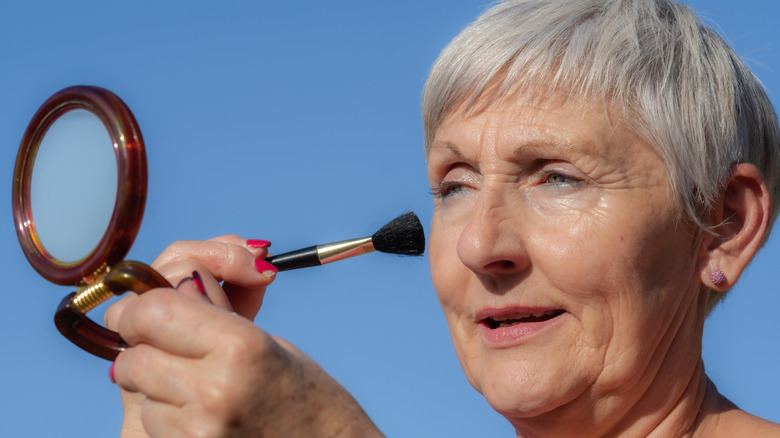
One of the most common mistakes with bronzer is applying it too low on the cheeks or jawline. While this technique is often used in youthful makeup trends, it can have an aging effect on mature skin by pulling the face downward visually.
Makeup artist Caroline Hernandez exclusively tells Women that this placement can actually work against your natural features. "Applying it too low to a mature skin can make us look hollow or gaunt, and pull the face downward," she says. Instead, bronzer should be used to lift the face. When placed higher on the cheekbones and temples, it creates a natural sculpting effect that enhances structure without harsh contouring.
Makeup artist Christian Briceno, also stands by this approach to bronzer. "Focus on the hairline and the upper cheek area, then blend upward to lift the face," he advised in an interview with Vogue. The result is a softer, more lifted appearance that enhances natural structure rather than fighting against it.
Follow the sun
When it considering the best tips for applying bronzer to mature Skin (& what no to do), rather than following strict contour maps, experts recommend thinking about natural sun exposure. This helps create a softer, more believable warmth on the skin. Hernandez suggests applying bronzer to "the high points of the cheekbones, nose, sweeping slightly upward toward the temple and across the top of the forehead." This placement creates warmth while also helping to visually lift the face.
Interestingly, beauty enthusiasts online frequently make the same distinction between bronzer and contour. In a popular Reddit discussion titled "Bronzer isn't contour," one commenter explained that "Contour is applied where shadows naturally fall on your face, bronzer on the high points where you get the most sun," while another added that "Bronzer goes where the sun hits, contour goes where the shadows lie."
Learning where bronzer belongs is only one part of the equation. The best tips for applying makeup to mature skin for a flawless finish also breaks down how placement alone can make makeup look softer and more flattering.
Avoid shimmers
Many people assume shimmer equals glow, but on mature skin, overly reflective bronzers can actually highlight texture. Fine lines, pores, and uneven skin tone can become more visible when light-catching particles sit on the surface.
Hernandez says that older application habits often relied on shimmer for a "youthful glow," but this doesn't always translate well later in life. The makeup artist told Women.com that products with obvious shimmer or glitter can "highlight any crêpeyness, fine lines or wrinkles." Instead, she recommends cream, satin, or soft demi-matte formulas that create luminosity without harsh reflection.
Pro Makeup Christian Briceno offers similar advice, recommending bronzers with a "soft, satiny finish" that provide a skin-like sheen. In an interview with Vogue, the makeup artist shared that the ideal bronzer creates glow without becoming so reflective that it "spotlights pores or fine lines." If you're swapping shimmer-heavy bronzers for cream formulas, it may also be worth rethinking your complexion products and finding out what to look for in a foundation if you have mature skin.
Don't sleep on your tools
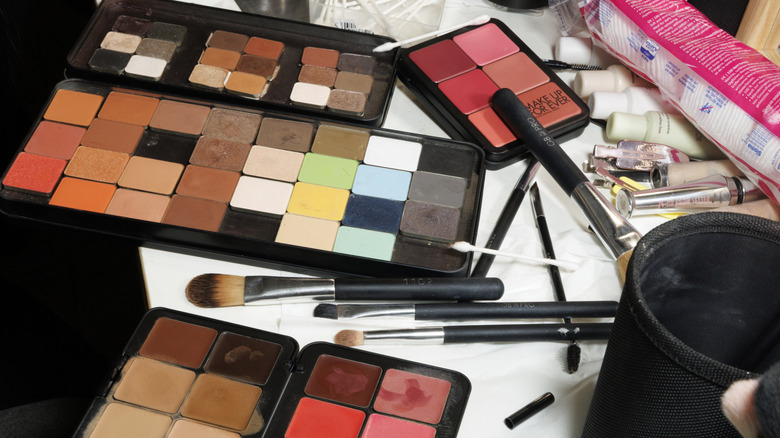
Formula matters, but so do the tools you use to apply it. Hernandez exclusively tells Women.com that using dense brushes and heavy powders can contribute to patchiness and uneven blending.
Instead, she recommends soft, fluffy brushes for powders and a slightly damp beauty sponge for creams and liquids. "Stipple or press the product into the skin," she says, rather than rubbing aggressively, which can lift foundation and create uneven texture.
In terms of makeup artist-approved products to add to your beauty 'must buy' list, Hernandez loves Makeup by Mario's Soft Sculpt Transforming Skin Enhancer, Rare Beauty's Warm Wishes Effortless Bronzer Stick, and e.l.f. 's Putty Bronzer. She also recommends Ciele's Bronze & Protect SPF 50+ for anyone interested in a liquid bronzer that combines makeup and sun protection. "[These formulas] all glide onto the skin and blend easily," she says.
Keep things light
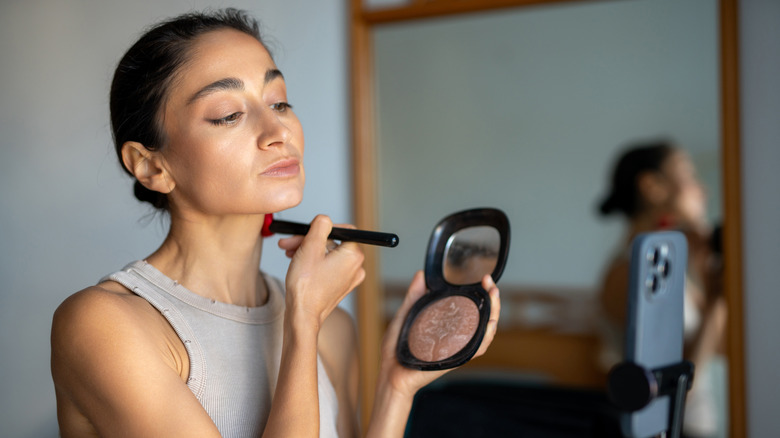
Another bronzer mistake Hernandez frequently sees is choosing a shade that's too dark for your complexion. While it may seem logical to reach for a deeper shade to create more impact, the heavy contrast can look harsh and unnatural, especially on mature skin.
Instead, she recommends keeping bronzer only "one to two shades deeper than your natural skin tone" for the most natural effect. Hernandez's recommendation is echoed by makeup artist Elisa Flowers. Speaking to Allure, Flowers advises those with fair skin to choose "a bronzer just a shade or two darker than your skin tone for the most natural result" and to "always, always use a light hand when applying." She also recommends avoiding bronzers that appear "overly orange or red-toned" on lighter and medium complexions, as they'll often look even more intense once applied.
For lighter skin tones, Hernandez recommends "golden-neutral and soft terracotta shades". Medium skin tones, she says, "tend to suit richer neutral bronzes, while deeper skin tones can benefit from terracotta and red-brown hues." Choosing an undertone that complements your complexion is just as important as selecting the correct depth, helping bronzer look like a natural extension of your skin rather than a stripe of color.
Perfecting your base
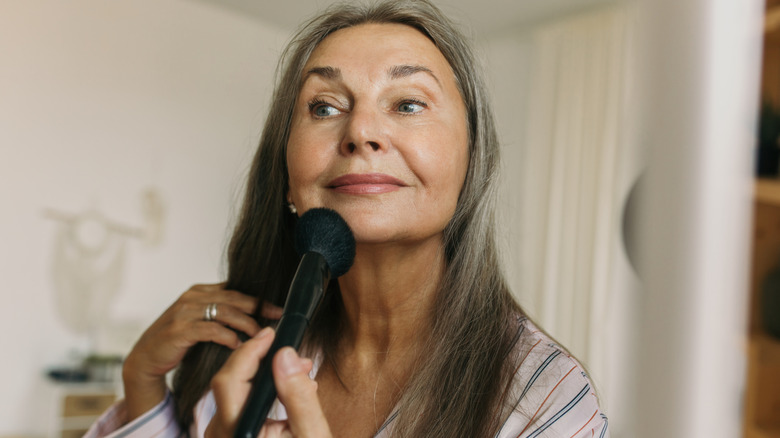
If your goal is to match self-tanner or create a more uniformly bronzed appearance, Hernandez suggests starting with a tinted SPF or a skin tint. She recommends using products like Beauty of Joseon's Daily Tinted Fluid Sunscreen and Pur Cosmetics 4-IN-1 Tinted Moisturizer Broad Spectrum as they can provide an initial wash of color, allowing you to use less bronzer overall. The result is a more believable, naturally sun-kissed look that doesn't rely on heavy application.
She also emphasizes that the goal is not to change your face—but to enhance it. "We want to always keep that [color] under the jawline and down the neck," she explains, adding that the result is a seamless finish that looks like real skin rather than makeup sitting on top of it. If you're updating your entire makeup bag, investing in your other base products and following the best tips for applying makeup to mature skin is also a great place to start.