

Over 40 And Getting Into Makeup For The First Time? We've Got The Best Tips For You
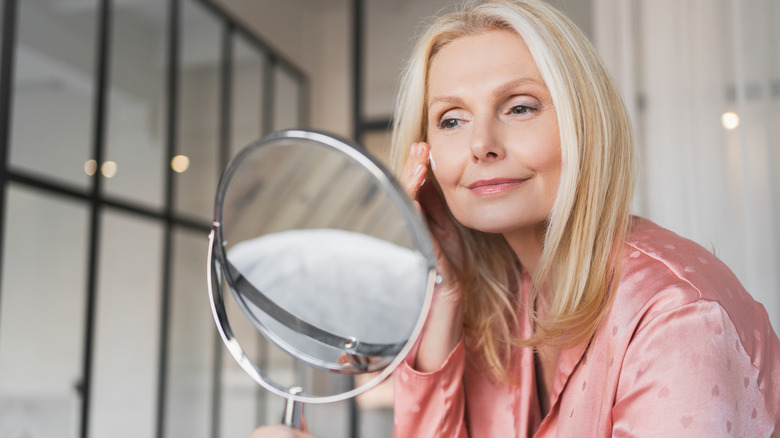
Many women assume makeup is something you either learn in your teens or never fully master. But a growing number of women are discovering beauty products later in life and finding that their 40s, 50s, and beyond can actually be the perfect time to experiment. Unlike in younger years, when beauty routines can feel tied to trends, learning a new skill can feel daunting. But when explored in a fun way, getting into makeup for the first time can become a pathway to confidence.
Women spoke exclusively with lead makeup artist and owner of Brielle Beauty Co, Brielle Pollara, who says women over 40 should approach makeup as a tool for enhancement rather than transformation. Her advice comes at a time when many women are embracing beauty on their own terms. Many women assume they're late to makeup if they're getting interested in it after 40, but online discussions suggest the opposite may be true.
In a popular Reddit thread, dozens of women shared stories about discovering makeup later in life and finding it more enjoyable than they expected. One woman wrote, "I started getting more into makeup over the last two years, and am starting to have a lot of fun with color in a way I didn't have the nerve to as a youngster." Another commenter shared, "I am 55 and just [learned] to do makeup during the pandemic. Before that, I was clueless."
Start small
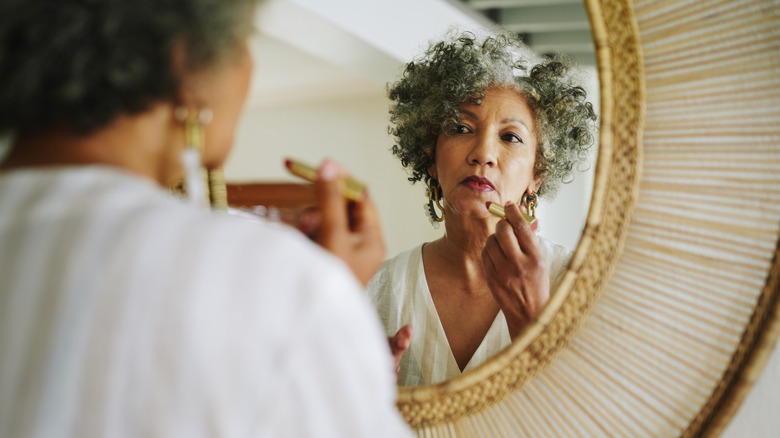
One of the biggest misconceptions about learning makeup is that you need a large collection of products from the start. For beginners over 40, that approach can quickly become overwhelming and expensive. Instead of trying to master contouring, graphic eyeliner, and a dozen different products at once, Brielle Pollara recommends focusing on a few essentials that make the biggest impact. "For women over 40 who are getting into makeup for the first time, my first tip is to start with products that enhance the complexion rather than trying to build a full makeup routine all at once," she explains.
According to Pollara, a lightweight skin tint or foundation, a cream blush, and mascara can instantly brighten the face while still looking natural. If something small like mascara is the first makeup product you're trying, researching everything you need to know about applying mascara to older eyes can help you avoid common application mistakes while creating definition and lift. Starting small also allows you to build confidence gradually while learning what styles and products work best for your features and lifestyle.
Hydration is key
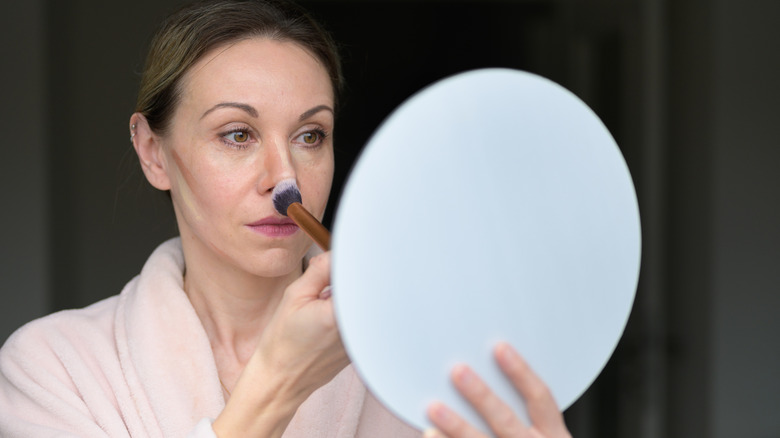
Before investing in dozens of makeup products, Brielle Pollara encourages women to focus on skincare. While makeup can certainly enhance the complexion, it generally performs best when applied to skin that is hydrated and well cared for. This becomes especially important as skin naturally changes with age. "My second tip is to prioritize skincare and hydration, because makeup will always look better on skin that is properly moisturized and prepped," Pollara says.
That advice is echoed by other makeup professionals who specialize in mature skin. Speaking to Vogue, makeup artist Fiona Stiles said, "I use as little foundation on skin over 40 as possible," noting that heavy or matte formulas can settle into lines and texture. Similarly, makeup artist and RMS Beauty founder Rose-Marie Swift told Vogue, "The more mature you are, the less heavy your foundation should be," explaining that thicker makeup can exaggerate texture rather than enhance the complexion.
Opt for lightweight formulas
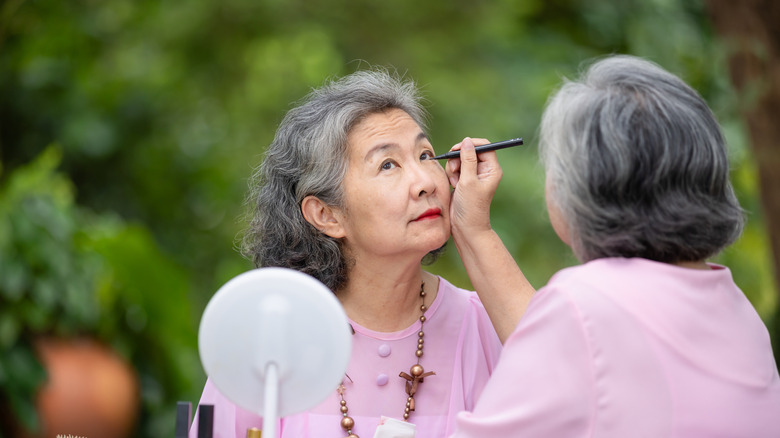
Brielle Pollara also notes that it is a mistake to assume that more coverage automatically creates a better result. While full-coverage products can be useful in some situations, they are not always the most flattering choice for mature skin. "One of the most common mistakes I see is choosing formulas that are too heavy or overly matte," Pollara explains. "These products can settle into fine lines and make the skin appear less fresh than intended."
Instead, she recommends seeking out lightweight, natural-finish products that allow skin to look like skin. Before investing in dozens of new products, it can help to understand what what to look for in a foundation if you have mature skin and how complexion products interact with changing skin textures. According to makeup artist Sarah Intrabartola, "cream blushes are typically better for mature skin" because they "melt into the skin for a natural flush" and "won't accentuate fine lines or wrinkles (as per Prevention). The goal is not to completely conceal every line or imperfection but to create a fresh, balanced appearance.
Avoid chasing trends
Scrolling through beauty content can make makeup seem incredibly complicated. Between contour maps, elaborate eyeshadow looks, and lengthy product lists, it's easy for beginners to feel like they're already behind. Brielle Pollara says this mindset often prevents women from getting started at all. "Another mistake is trying to recreate complicated tutorials seen on social media instead of learning the basics that work for your individual features and lifestyle," she says.
Pollara's advice echoes what veteran makeup artists have long advocated. In an interview with Allure, makeup artist Bobbi Brown said, "I kind of think I look better" wearing less makeup, explaining that her everyday routine centers on a handful of essentials rather than a complicated application process. So, instead of trying to master every trend, beginners can benefit from learning foundational skills such as applying blush, defining lashes, and evening out skin tone.
Beauty is for all

Perhaps the most important thing women over 40 should remember is that there are no deadlines when it comes to learning makeup. Beauty is not a skill reserved for younger generations, nor is there a "correct" age to start experimenting. In many ways, learning makeup later in life can be more enjoyable because it comes from personal interest rather than outside pressure.
Brielle Pollara believes makeup should ultimately feel approachable and confidence-boosting. Rather than focusing on perfection, she encourages women to view makeup as another form of self-expression. Finding a few products you enjoy, practicing simple techniques, and giving yourself permission to experiment can make the entire process far more rewarding.
"Makeup should feel approachable and confidence-boosting," Pollara says. "Taking the time to learn a few simple techniques and finding products that complement your skin will create the most flattering and natural-looking results."