

5 Of The Best Books By Jodi Picoult That Aren't My Sister's Keeper
We may receive a commission on purchases made from links.
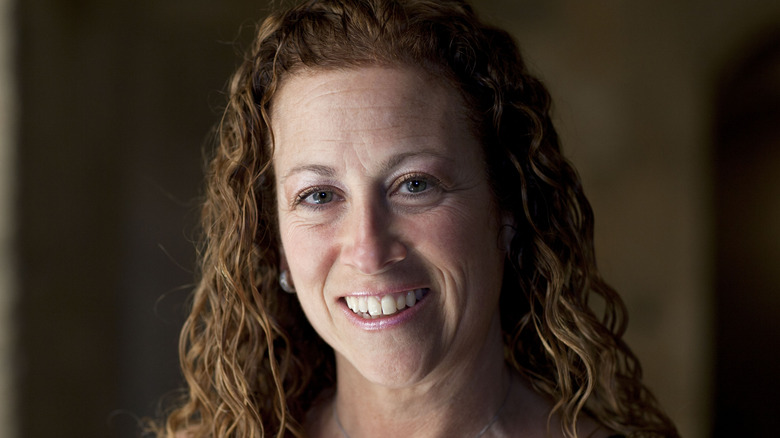
In 2004, "My Sister's Keeper" rocketed Jodi Picoult to literary stardom, and it's in the top 5 Jodi Picoult books, ranked by reviews. The combination of family and courtroom drama about a little girl born as a 'saviour sibling' to her chronically ill sister, and her rights over her own body, touched readers' hearts as well as the hearts of Hollywood producers. The film adaptation, starring Cameron Diaz and Abigail Breslin, that premiered five years later raked in nearly $100 million at the box office, earning Picoult an even bigger wave of new fans, despite her own misgivings with the changes director Nick Cassavetes made to the story.
But Picoult is so much more than "My Sister's Keeper." She's published a book nearly every year since her 1992 debut, amassing a fan base that eagerly gobbles up each new release. Readers have specifically praised Picoult's ability to craft a plot twist, impressive dedication to research, fearless approach to controversial subject matter, and portrayal of multiple perspectives to allow the reader to understand all sides of a potentially thorny issue. Her stories quite often involve family and/or the legal system, but Picoult is clearly no one-trick pony.
5. A Spark of Light
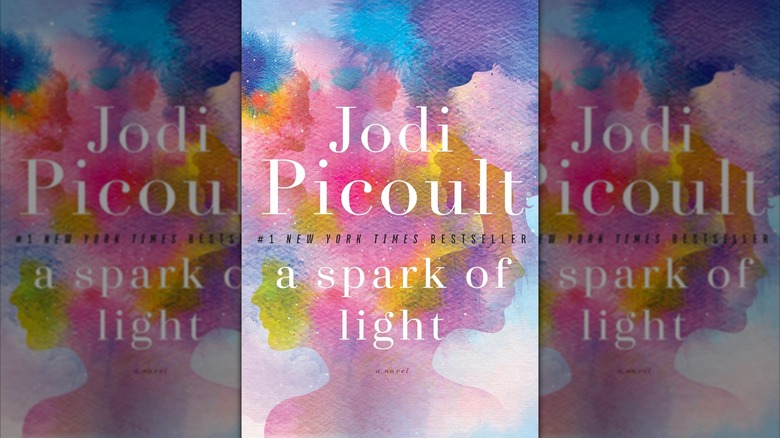
With our very first selection, Picoult transports us to one of the most contentious settings of the modern world: a women's reproductive health clinic. It's no ordinary day at the clinic, either. In a turn of events ripped straight from the headlines, an armed attacker has breached its doors, taking all of its occupants hostage and altering the course of what was already a life-altering day for many of them.
But don't let the politically high stakes fool you — where Picoult really shines in "A Spark of Light" is her grasp on perspective. The story is told from the point of view of several people who happen to be at the clinic for a variety of reasons, from the hostage negotiator who has arrived to parley with the gunman, to his teenage daughter he didn't know was there, to an infiltrating pro-life activist and a religious clinic physician. The sequence of events itself is less important to the story than how it affects them, which is a crucial facet of Picoult's brilliance.
4. Sing You Home
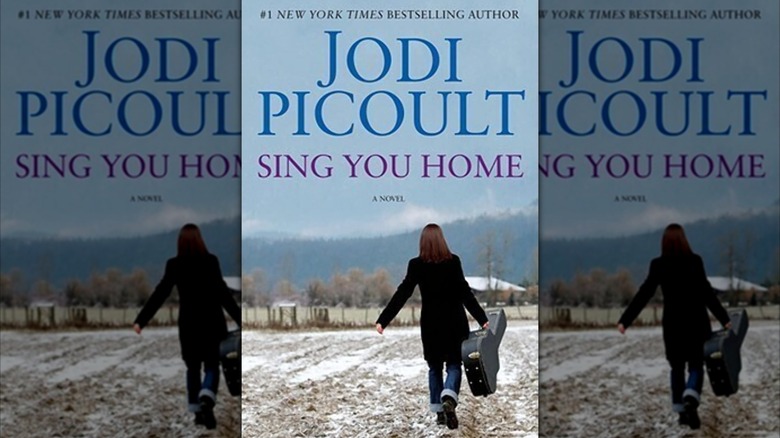
The reproductive drama continues with "Sing You Home," which plunges the reader immediately into music therapist Zoe Baxter's gripping turmoil when she begins experiencing fateful pregnancy complications in the middle of her baby shower. This is one of many failed pregnancies for Zoe, the stress of which leads to the end of her marriage. She finds love again with a colleague who happens to be a woman, who wants to give Zoe the baby she so desperately wants by carrying one of the embryos she conceived with her ex-husband, but he's not so keen on the idea, especially after becoming a born-again Christian.
From there, the plot becomes the kind of intense courtroom drama that Picoult is famous for. The stakes are high, the lawyers are characters instead of officious blank faces, and the case law is impeccably cited. Picoult's depth of research is on full display in "Sing You Home." You might not have expected to walk away from a story about religion and sexuality with a full education in family law, reproductive medicine, and the practices and benefits of music therapy, but you'll be glad you did.
3. House Rules
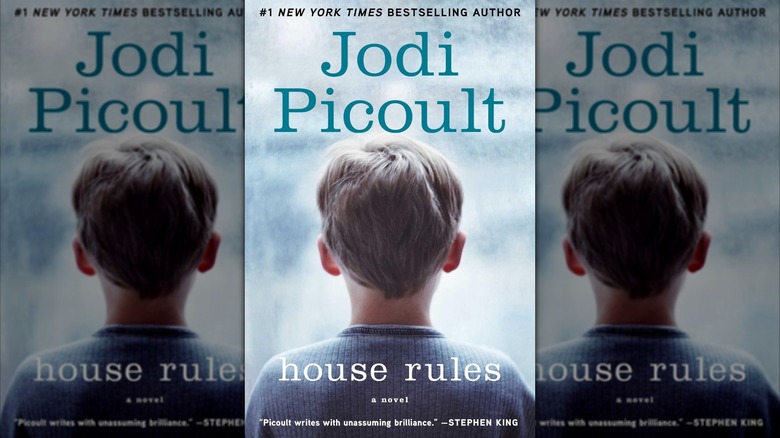
Picoult's courtroom antics take a Sherlockian turn in "House Rules," about an autistic teenager, Jacob Hunt, who is obsessed with solving crimes. He often turns up at crime scenes to give the police a little unsolicited assistance, largely to their benefit, and he loves staging his own for others to solve. That's exactly why he comes under suspicion when his tutor, whose new boyfriend had begun to cause tension between the pair, turns up dead.
What follows is classic Jodi Picoult. Legal intricacies? Check. Multiple perspectives, including those of the lawyer defending Jacob and the detective convinced of his guilt, to give us the inside courtroom details? Check. A protagonist entangled in a heated public debate, especially once the scientifically discredited connection between autism and childhood vaccination comes up? Major check. It's the shocking twist, however, that will really blow you away — you'll never see it coming. It deserves a place on the list of books over 500 pages that are totally worth picking up.
2. The Storyteller
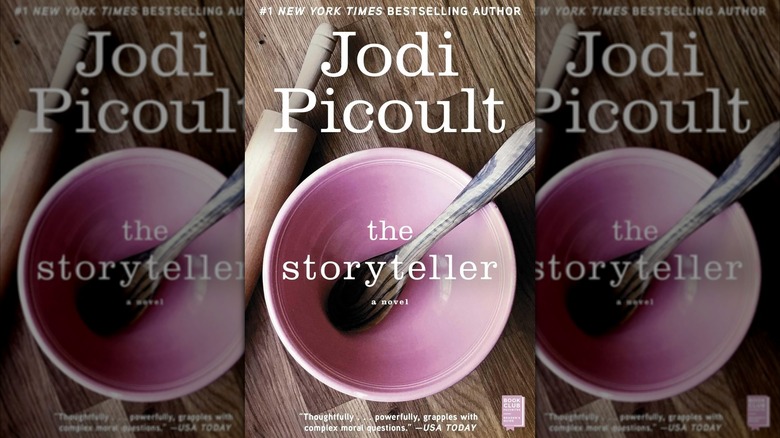
In "The Storyteller," Sage Singer is coping with an unbearable tragedy when she forms a bond with Josef, an elderly former German teacher, through the grief support group they both attend. Her world is turned upside down, however, when Josef reveals that he's not who he seems. 70 years earlier, he was an S.S. officer guarding the extermination camp at Auschwitz. Racked with guilt over his crimes, he wants Sage, a Jewish woman, to help him die.
It may seem at first that "The Storyteller" lacks the legal thrills Picoult is known for, but while Sage's secret work with the FBI to determine the possibility of prosecuting Josef does provide some, the real story here is the ethical dilemma Sage faces. Who has a say in whether someone lives or dies? Is forgiveness sometimes impossible? And is it ever permissible to kill, even in the name of justice — or mercy? Diehard twist-lovers will also appreciate the surprise connection between Josef and Sage's Auschwitz survivor grandmother.
1. Small Great Things
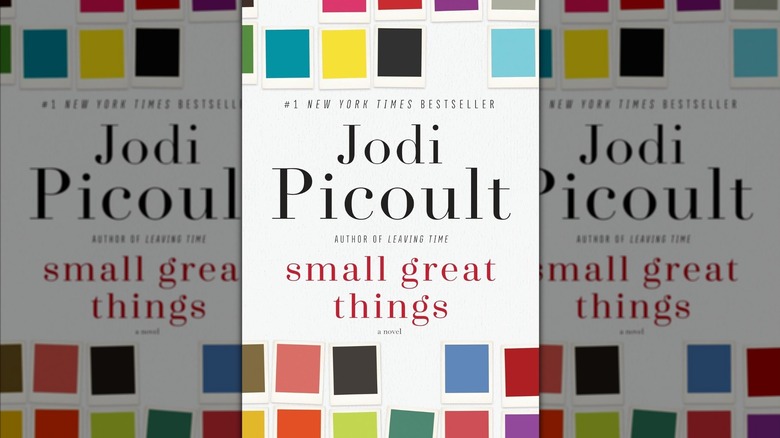
Picoult's novels often hit on some of the most hot-button topics of the day, but "Small Great Things" was based directly on a true story. It follows Ruth Jefferson, a Black nurse who is forbidden from treating a baby born to a white supremacist couple at the hospital where she works, much like a nurse working in Flint, Michigan in 2012. Where it diverges from real life is when the baby goes into cardiac arrest with only Ruth around to treat him, forcing her to choose between defying orders or allowing the baby to die. When the baby dies anyway, his parents accuse Ruth of taking her anger out on him, and she's charged with murder.
Picoult's strengths, as well as her unique weaknesses, are perhaps at their most striking in "Small Great Things." Her research on the experience and history of the Black community in America was exhaustive, telling the story from the points of view of Ruth as well as her lawyer and primary accuser pulls everyone out of any neat "victim" or "villain" box, and the plot twists — that's right, plural — that resolve the case are as ironic as any moral fable. Though some reviewers echoed common complaints that Picoult sacrifices character development in favor of breakneck pacing and sheer information overload, it's easy to see why "Small Great Things" is one of her highest-rated works.
How we chose the best books by Jodi Picoult that aren't 'My Sister's Keeper'
We combed Jodi Picoult's bibliography for titles that exemplified the hallmarks of her stories that readers love, specifically surprising plot twists, expertise requiring intense research, controversial subject matter, multiple perspectives, ethical dilemmas, and family and legal drama. We chose only novel-length fiction, and when two stories were too similar, we chose the one that best represented its criterion to maintain variety. We ranked the remaining titles by their average Goodreads review score.