

5 Vintage Hair Trends That Deserve A Comeback
With each decade comes a new hair trend. The 1920s saw the rise of the flapper girl aesthetic, dominated by playful pixie cuts, whereas the 1940s embraced old Hollywood appearances that prioritized elegance. Moving into the 1950s, the decade's hairstyles entered their blond bombshell era, popularized by Marilyn Monroe's iconic style and signature image, whereas the mid 1960s to '70s saw a rise in natural hair, Afros, and more self-expressive styles. Hippie haircuts and headbands dominated the rest of the 1970s, until styles reached new heights in the '80s. In the 1990s, celebrity culture had a profound impact on hair trends as famous faces garnered attention for their staple hairstyles — particularly Christina Aguilera's chunky blond highlights and Cameron Diaz's choppy bob and side fringe.
In recent years, vintage hair trends have been making a huge comeback, and as celebrities continue to embrace ever-changing aesthetics, it's becoming increasingly difficult to predict which hairstyles will resurface. However, much like fashion itself, hair trends consistently evolve, often drawing from once-popular aesthetics and reemerging in new and reimagined forms. In a world dominated by "the next big thing," what was once considered outdated may soon become the next major trend again. If there's a specific, retro style you've gravitated toward, now's the time to try it out. If you need a little inspo, don't worry — we've got you.
Old Hollywood waves deserve a modern renaissance
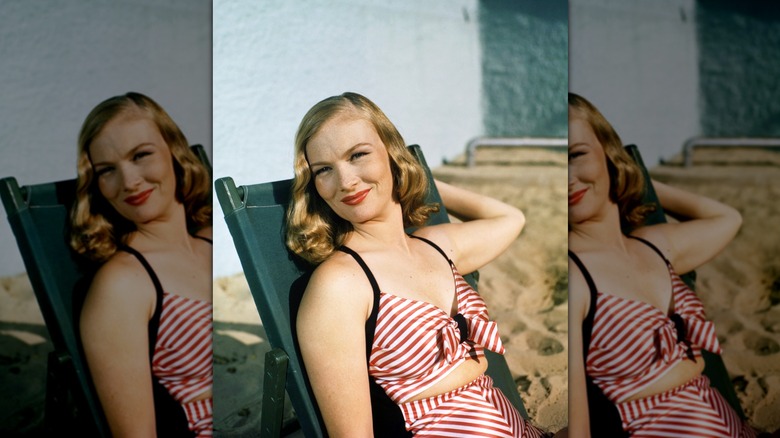
In the 1940s, Old Hollywood waves were popularized by actors Lauren Bacall and Veronica Lake. The style created a glamorous allure, with a side part and balanced waves. But it wasn't just the glamour that made this coiffure so desirable; it rose in popularity when rationing systems impacted the U.S. during WWII, and hair products and services grew more difficult to obtain. Thus, these curls were coveted for their simple overnight styling process, and with the invention of curling tools, the hairstyle has only become easier to achieve. Old Hollywood waves are formed by generously brushing out pin curls, or curls created with a curling tool. The signature '40s look has long been associated with vintage Hollywood glamour, and paved the way for similarly lavish styles, including Marilyn Monroe's signature bouncy curls.
Regencycore has been a major fashion trend ever since Season 4 of "Bridgerton" aired on Netflix in 2026. While the new craze is centered around square necklines and empire-waist evening gowns, the trend highlights the fashion industry's ongoing obsession with vintage glamour and romantic elegance. The soft structure and polished finish of Old Hollywood waves seamlessly complement the feminine sophistication characteristic of Regency-inspired aesthetics, and singer-songwriter Selena Gomez proved soft waves were making a comeback when she attended the 2026 Golden Globe Awards wearing the hairstyle. With the current fashion landscape leaning toward vintage glamour and classic sophistication, Gomez demonstrated that Old Hollywood waves can add timeless femininity to contemporary fashion.
The Afro is a political declaration of beauty
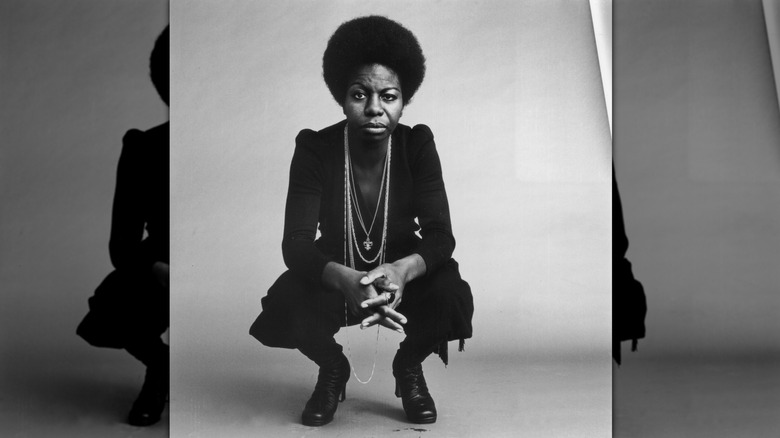
Despite already being a popular hairstyle in Africa, the Afro made its way over to U.S. hair trends in the mid-1960s. The voluminous hairstyle became increasingly popular during the "Black is beautiful" movement, which sprang from the Black Power movement — one of the first natural hair movements — and the political organizing that stemmed from the Black Panther Party. The style later boomed in the 1970s as it was adopted by celebrities like Tamara Dobson and Pam Grier, and became a favorite natural hairstyle for many. The Afro was also largely associated with soul music in the '70s and grew in popularity after prominent stars, including prolific Motown singer Diana Ross and soul singer Nina Simone, showcased their love for the empowering style.
Wearing the Afro has always been a symbol of Black pride and authentic beauty, and over the past decade, the world has witnessed more and more people ditching flat irons and relaxers, and embracing their natural curls and texture. The voluminous style supports curl training — a great way to restore natural curl patterns, and serves as a guiding example that you don't need to shrink, flatten, or alter who you are to show up in this world. This movement is a clear pushback against society's pressure to conform — the Afro deserves to be center stage, simply because it sends a clear message: Black is beautiful.
The side fringe offers versatility
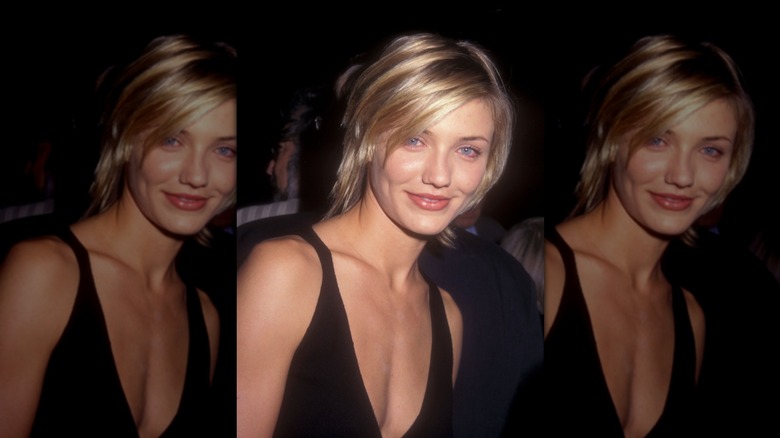
The side fringe became a popular hair trend in the 1990s, as it was a prominent hairstyle for some of Hollywood's most famous faces, including Cameron Diaz and Aaliyah — both huge figures of the era. The side fringe has been favored for its versatility, as it can be styled in myriad ways and complements almost every hair type. Unlike the shorter combover-inspired side fringe donned by Diaz in the late '90s, the hairstyle was adapted to suit longer hair and made its way into early 2000s hair trends, too. In the 2000s, the hairstyle evolved into a heavy swooping side fringe that was created by forming a deep side parting and combing the hair across the face. In a world dominated by ever-changing fashion trends, the range of side fringe styles allows wearers to express different personalities and to adapt their appearance to appeal to different aesthetics.
Singer-songwriter Lily Allen is living proof that the side fringe deserves a comeback. Allen has been wearing a fringe ever since she rose to fame in 2005. Although she's tried nearly every fringe style, she's long been associated with side fringe, and it has become her signature look. Despite opting for a micro-bang look in recent years, in 2025, Allen made headlines after she swapped the short choppy style for a side fringe instead. While hosting a party in London, she was photographed wearing a deep side parting and a swooping side fringe.
'80s volume is vehicle for confidence
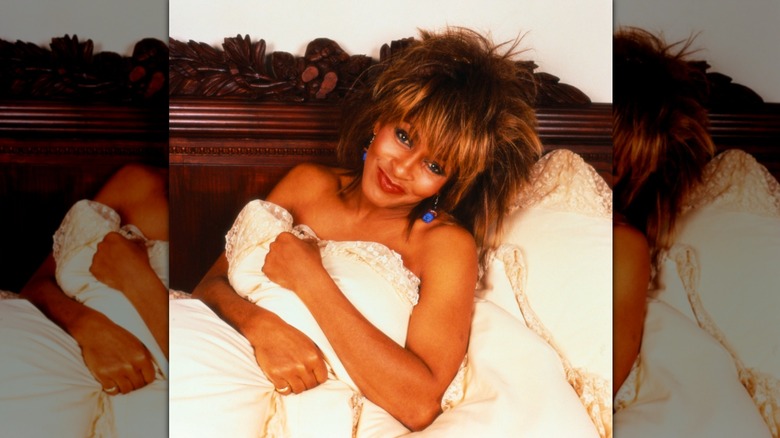
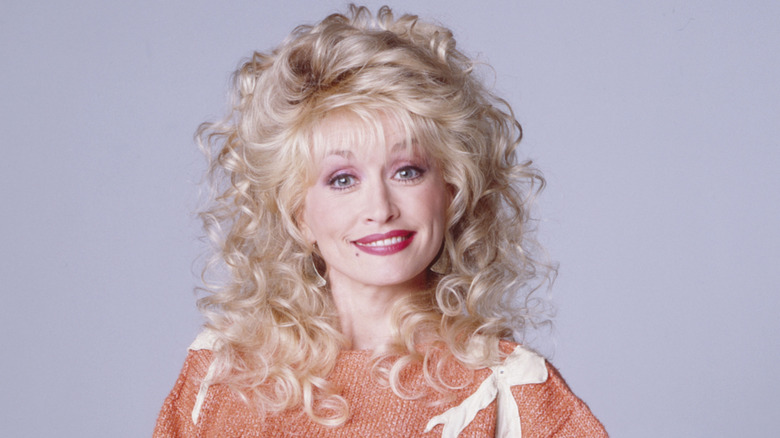
The 1980s were characterized by a 'bigger is better' mindset, and many people applied that framework to styling their hair. To achieve the teased, big-hair look, wearers would backcomb their hair until it achieved height at the crown, and while some icons would brush out their teased layers for a wispy look, others used hairspray to hold their bouffants firmly in place. The style was first popularized by rising music icons, but it soon moved into celebrity culture and flowed into all music genres. The style started to make waves in Hollywood after more celebrities adopted the over-the-top aesthetic, namely Dolly Parton, Cher, and Tina Turner.
Dusty Schlabach, a Los Angeles hairstylist, told Allure that the larger-than-life hairstyle was more than just a trend, as it inspired people to amp up their natural hair texture. "Instead of chasing perfect definition, curls and waves were a huge flex in their raw, organic state, typically amplified with a 'bigger is better' attitude," Schlabach said. The hairstylist added that the voluminous hairstyle not only reflected a person's authenticity, but also improved their self-esteem. "The look was about freedom, individuality, and the confidence that came with letting your hair take up space," Schlabach added.
The French twist is easily chic
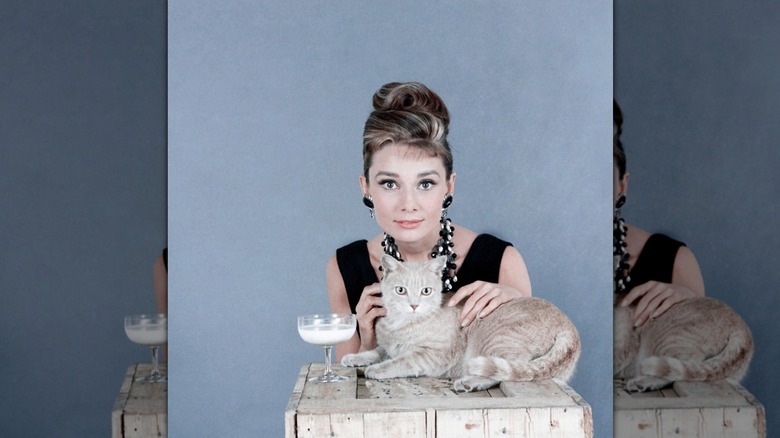
Hollywood legend Audrey Hepburn popularized the French twist in the 1960s when she wore the glamorous hairstyle in "Breakfast at Tiffany's", proving it could be dressed up with encrusted hairpieces or dressed down for a minimalist style. Despite its elegance, the fabulous look takes minutes to achieve. Wearers start by gathering their hair to form a low ponytail. Next, they twist their hair around their finger while simultaneously pulling their hand up toward the top of their head before pinning the cluster of hair in place.
While the hairstyle garnered some attention in 2025 due to its ability to blend seamlessly with dancewear, the French twist deserves a full comeback in all its iterations. In recent years, balletcore trends have dominated the fashion industry, and brands have rolled out collections that can take you from barre class to the club. The French twist has proven to be foolproof and easy to execute, and has long been tried and tested by aspiring professionals at The Royal Ballet School. It fits perfectly with the balletcore aesthetic while also nodding to a more modern office siren look by leaving room for statement hairclips. Many wonder how to best execute the French twist, and Ballet dancer and YouTuber Luna Montana found her comments section flooded with requests for a tutorial after she posted a video of the hairstyle on Instagram. "French twist tutorial plssss," one person wrote. "How did you do your hair??!" another asked.