

5 Books From 1968 That Are Still Considered Must-Reads Today

We may receive a commission on purchases made from links.
Anyone whose birth year begins with a 1, get ready to get shocked: 1968 was nearly 60 years ago. In some ways, it might not be so bad to be so far from that eventful year. There was a lot of political turmoil, some truly unfortunate fashion, and only three TV channels that probably all had Andy Griffith on somehow.
That doesn't mean there's nothing worth keeping from 1968, though. There was some great music, and a number of classic movies were released that year. Even some fashion trends from the '60s are making a major 2026 comeback.
It was also a landmark year for the publishing industry, at least if its most popular books are anything to go by. Some of the most important titles in the science-fiction, fantasy, and western genres (i.e., the ones made into movies you'd recognize) were published that year, as well as America's most celebrated essayists' most celebrated works.
5. The Last Unicorn by Peter S. Beagle
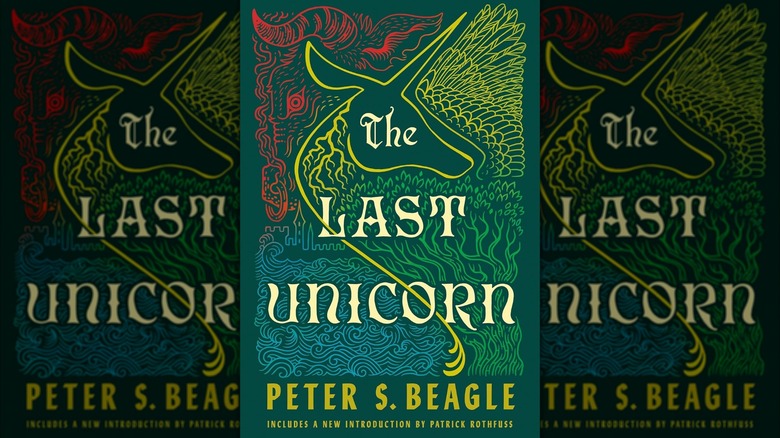
If you were born within the last 50 years, your childhood wasn't complete unless you saw the 1982 Rankin/Bass animated classic "The Last Unicorn." Between the company's signature animation style, which calls back to its earlier Tolkien adaptations and the soundtrack provided by '70s rock icons America, both simultaneously dated and timeless, lies a treasure that multiple generations hold sacred. Many of their members aren't even aware that the movie is based on a 1968 novel by Peter S. Beagle that fantasy readers likewise exalt.
Movie fans will be pleased to find that the adaptation closely follows Beagle's fantasy touchstone. It shares the same nostalgic yet enduring quality, thanks to Beagle's disregard for the world-building detail that characterizes the genre in favor of exploring themes of humanity's literal disillusionment and what it means to be mortal. You wouldn't think a story about a unicorn determined to save her species could be so relevant to the modern world, but that's exactly why "The Last Unicorn" is listed over and over among the must-reads of the fantasy section.
4. True Grit by Charles Portis
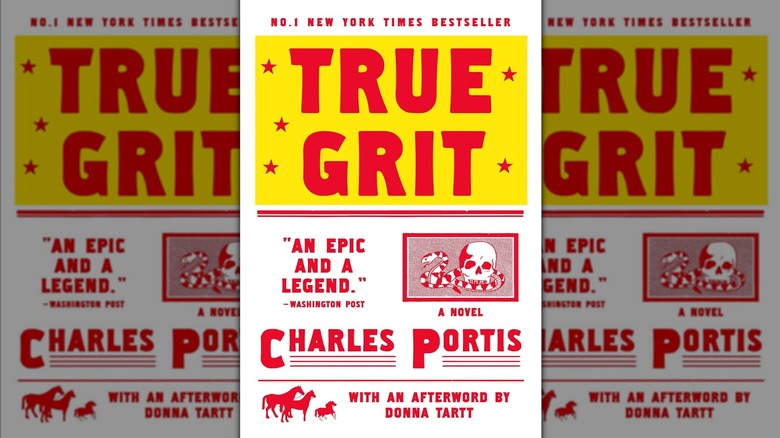
The '60s were the golden age of westerns, which men used to devour as ferociously as women plow through romances today. In fact, you could make a case that the genre fell out of favor entirely because Charles Portis' great American novel was so good that subsequent releases would suffer by comparison. After all, it's been adapted for the screen not once but twice, earning John Wayne his only Oscar.
Interestingly, what sets "True Grit" apart in a sea of dime novels is not the tough-guy character later played by Wayne but a little girl. It's told from the perspective of 14-year-old Mattie Ross, who's out for revenge against the man who killed her father with the help of a hardened U.S. Marshal and Texas Ranger but proves herself to be the grittiest of them all. The 20th-century novel set in the 19th centurt still struck such a chord with readers in the 21st century that it topped the New York Times bestseller list 43 years after its publication on the heels of its 2010 screen adaptation.
3. 2001: A Space Odyssey by Arthur C. Clarke
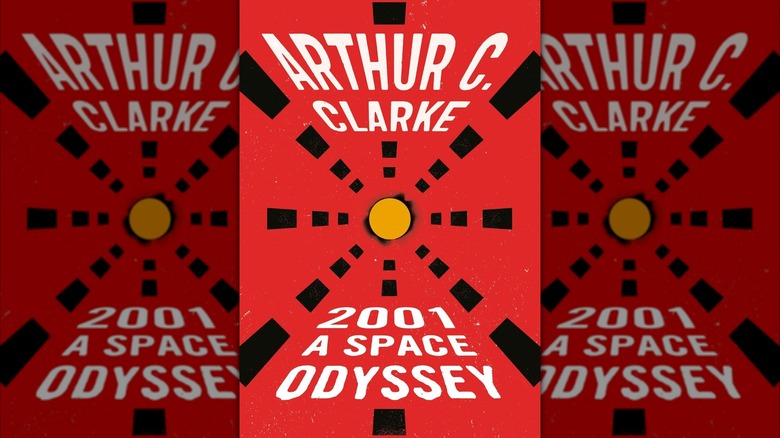
Are you noticing a theme? Technically, Arthur C. Clarke's "2001: A Space Odyssey" was an adaptation of Stanley Kubrick's iconic film, since it was released a month later. The entire multimedia project was a collaboration between the two men from the start, however. It's no surprise that such an effort, teaming up the biggest name in science fiction with the biggest name in auteur filmmaking, produced both a movie and a book that are considered the height of achievement in their respective categories.
In fact, fans of the movie may be unaware that there's oodles of information they're missing if they've never read the book. They were intended to be companion pieces, with Clarke's novel explaining elements of Kubrick's film that could never be depicted visually, and vice versa. Still perplexed by exactly what was going on when that guy turned into a floating baby that can travel through space? It's all explained here.
2. Slouching Towards Bethlehem by Joan Didion
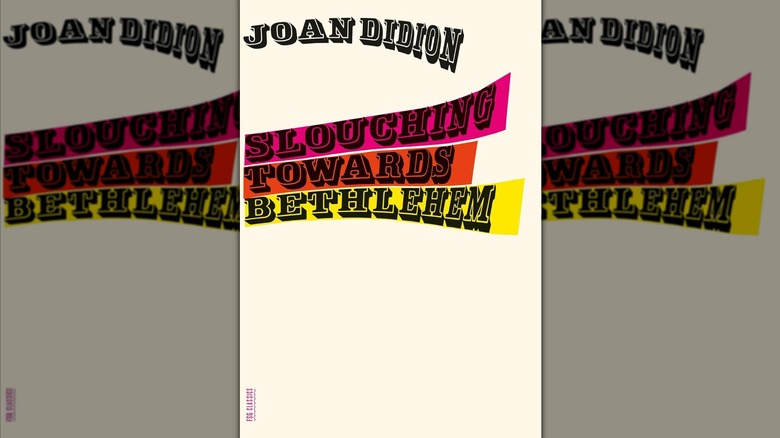
Joan Didion was the first lady of New Journalism, a movement of writers who immersed themselves in the events they reported. However, it wasn't called that yet when she published the column that became the title essay of "Slouching Towards Bethlehem." Her technique of befriending the hippies living in the Haight-Ashbury district of San Francisco in 1967 produced a portrayal of a subculture the media has been obsessing over that was uncommonly intimate — and surprisingly grim.
But "Slouching Towards Bethlehem" isn't just about flower children. It's about California in the '60s, which is where Didion grew up. When she returned after paying her dues in the New York media industry. It's about Hollywood, humanity, and yes, hippies, but it's mostly about Joan Didion. It's a foundational text for anyone interested in the pop culture of the decade or just an introduction to a writer who became one of the foremost essayists, novelists, and screenwriters of the 20th century. It's also one of Lorde's favorite books, so there's that.
1. Desert Solitaire: A Season in the Wilderness by Edward Abbey
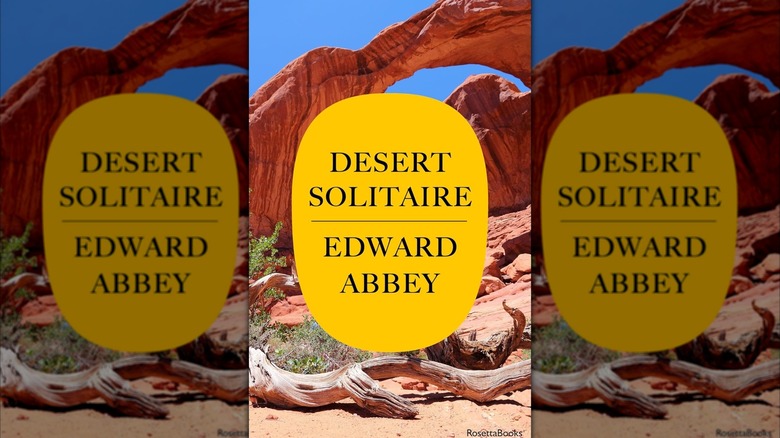
Surprisingly, one of the best-loved books of 1968 isn't a household name. Even at the time, it garnered little notice, bemoaned by its author as "another book dropped down the bottomless well (via Adventure Journal)." But in "Desert Solitaire: A Season in the Wilderness," Edward Abbey produced a breathtaking work of narrative nonfiction that set the tone for everything that came after, particularly in the genre of nature writing.
"Desert Solitaire" is often compared to "Walden," Henry David Thoreau's celebration of natural living, but you'll find none of Thoreau's optimism here. "This is not a travel guide but an elegy," Abbey wrote in his collection of experiences as a national park ranger, decrying the "industrial tourism" that he saw destroying the land he loved. Considering how the American wilderness continues to be eroded, it's hard to say he was wrong. There may not be any "Desert Solitaire" movies, and the average reader may not know Abbey's name, but his book is arguably the year's most relevant today.
How we chose the books from 1968 that are still considered must-reads today

We sorted Goodreads' top 30 most popular books from 1968 by average review score and selected the five best-reviewed titles. To ensure accessibility and broad appeal, we excluded volumes of series, special interest nonfiction (sorry, Paulo Freire), and children's books (sorry, Corduroy).