

Is Lorelai And Rory's Relationship On Gilmore Girls Healthy? We Asked An Expert

"Gilmore Girls" glamorizes the small-town life within Stars Hollow. The series follows Lorelai Gilmore, a wonderfully witty protagonist navigating life as a single mother. Lorelai, known for her coffee obsession and chaotic love life, is favored among viewers for making them realize they don't have to have it all figured out by their mid-30s. The close relationship between Lorelai and her daughter, Rory Gilmore, leaves viewers yearning for their iconic mother-daughter connection. Despite being published in 2000, fans are still idolizing their friendship on social media. But enjoying a cup of coffee with your mother is one thing. Sharing your entire personal life with her is another. One has to wonder, is that level of closeness truly healthy? Some experts say maybe not. While establishing love and trust is vital, blurring the line between parent and friend can sometimes do more harm than good.
Dr. Jenna Budreau-Roman, a licensed clinical psychologist and founder of Love and Theory, exclusively tells Women. However that the "Gilmore Girls" bond isn't a realistic depiction of a healthy mother-daughter relationship. "In a healthy parent-child dynamic, the child is the one who needs the parent to self-regulate – not the other way around," she says. It's safe to say Lorelai isn't at all domesticated and Rory seems like the most sensible of the two. Budreau-Roman added that viewers often see Rory taking on a more parenting role, often cooking, offering advice, and reminding her mother of her commitments.
Where is the line between having open communication with your child and oversharing?
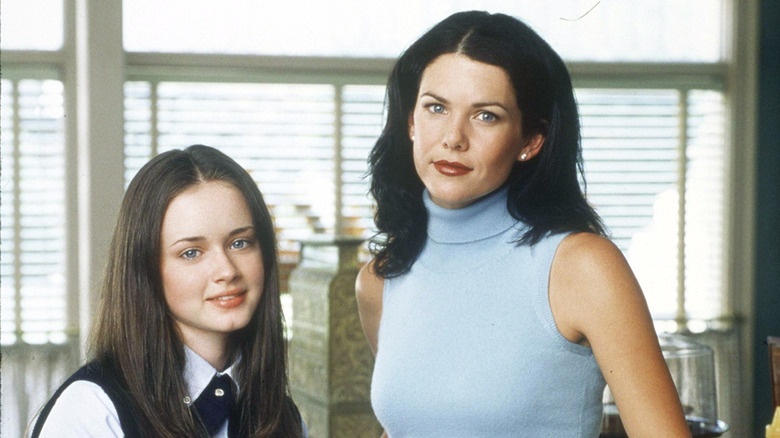
Lorelai's emotional immaturity is a central theme in the series, whether she's throwing tantrums about her super rich parents, getting annoyed at facing the consequences of her own impulsive actions, or ranting about her on-and-off relationship with Rory's father.
It's no secret that Lorelai and Rory are very comfortable around each other. From the quippy one-liners at town meetings to fights about Rory losing her virginity, no topic is off-limits for these two.
"There appears to be little-to-no boundaries between Lorelai and Rory. The way Lorelai vents to her daughter can lead a child to feeling stressed and/or anxious," Budreau-Roman explained. Despite Rory wanting to nurture her relationship with her grandparents, the iconic Friday night dinners result in Lorelai storming out and punishing her parents by refusing to see them until she gets what she wants.
While it's normal for children to witness their parents experiencing stress or heightened emotions, it's important for parents to show their kids the appropriate way to handle them. "When we identify a problem and discuss it in an age-appropriate way with our children, we model problem-solving and self-regulation," Budreau-Roman adds. Rory mirrors her mother's behavior in that she also becomes known for her boyfriend drama and sulks when her high-achieving life faces criticism. And with a jug of filter coffee as their main coping mechanism, the girls regularly ignore their issues and seek emotional support from Luke's diner.
Can you ever be best friends with your mom?
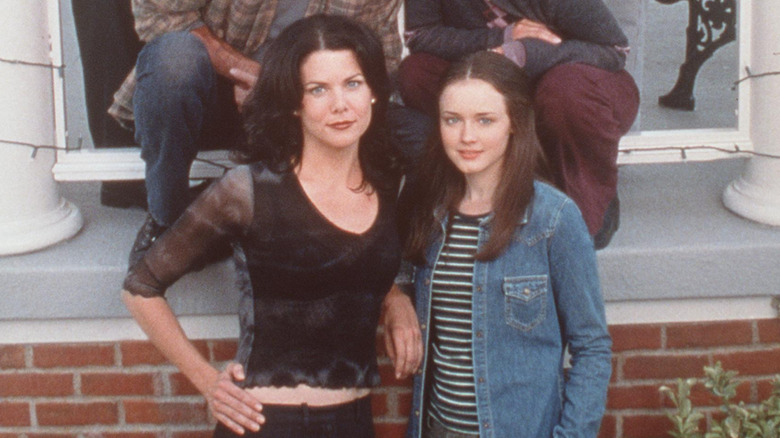
"The idea of a mother and daughter being "best friends" is often romanticized as being the pinnacle of a healthy relationship," Dr. Jenna Budreau-Roman exclusively tells Women. However, while it can be rewarding to have a close relationship with your mother, it's important to acknowledge there will always be an inherent hierarchy within a parent-child relationship. Not doing so can result in an imbalance of power.
We see this in the later seasons of "Gilmore Girls", Budreau-Roman notes, as we watch Lorelai struggle to accept the fact that her daughter is maturing and becoming more independent. As Rory moves through Yale and into adulthood, she and her mom begin to have explosive arguments and we watch the relationship lose its friendship element. "When Lorelai does attempt to act like a parent from time to time, Rory typically becomes angry- which makes sense given how she cannot consistently rely on her mother," Budreau-Roman exclusively tells Women.com. Unfortunately, because Lorelai has refused to set boundaries with her daughter for so long, when she does try to be authoritative, it comes across as borderline controlling and her criticisms are futile.
As children get older, Budreau-Roman says that a mother should understand that their child still needs them, but in a different way. This may mean having to take a step back and allow them personal privacy. It could also mean recognizing that their adult child's decisions are theirs to make, but being present when they ask for help.