

The Best Tips For Keeping Your Skin Youthful As You Age

We may receive a commission on purchases made from links.
Like death and taxes, wrinkles are one of life's inevitabilities. Age changes skin in a number of ways that show on our face. "As we age, our skin produces less natural moisturizing factors and lipids, which can lead to increased dryness, dullness, and sensitivity," said board-certified dermatologist Jenny Liu in an exclusive interview with Women. "In your 40s and beyond, skin turnover slows, and structural changes in the dermis, like volume loss and sagging, become more noticeable." It's important to adjust your skincare routine to cater to mature skin, but there's more to keeping your skin youthful than reevaluating your lineup of products.
It's best to think about maintaining skin's youthfulness as a holistic project. "To keep your skin looking youthful beyond your 40s, you'll still need a preventive, stimulating and reparative long-term strategy," said board-certified dermatologist Aanand Geria of Geria Dermatology in an exclusive interview with Women. Then, give your appearance an extra little boost with the best tips for applying makeup to mature skin.
Find the right retinoid
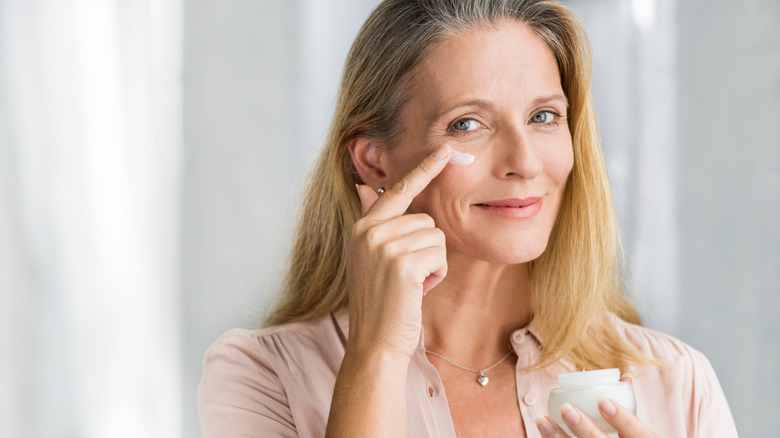
If your goal is anti-aging, look no further than retinoids, the vitamin A derived treatments that address a multitude of aging concerns. "Retinoids remain the gold standard for stimulating collagen production, improving cell turnover, and reducing fine lines and discoloration," said Liu. Considering that it also refines skin texture, manages acne, reverses the appearance of sun damage, and boosts firmness, retinoids truly are a skin health powerhouse.
One of the most common retinoids is tretinoin, but tazarotene and adapalene are other powerful retinoids that require a prescription. Over-the-counter alternatives, like Paula's Choice CLINICAL 0.3% Retinol, have the advantage of being gentler, though you'll also see slower results. If you have sensitive skin, look for formulas that contain other skin nourishing ingredients, for maximum benefit, or layer it with hydrating products to offset its irritating effects. If you're new to using a retinoid, be sure to introduce it to your routine slowly, and don't be afraid to start with a lower concentration. Use it alongside other powerful treatments that help wrinkles and fine lines to vanish.
Protect your moisture barrier
Preserving the outermost layer of dermis is always important, but it's an even higher priority as skin ages. "A compromised skin barrier accelerates visible aging," explained dermatologist Jenny Liu, when speaking with Women exclusively. A healthy barrier protects the skin and locks in moisture, which, in turn, keeps skin plump and glowing. "Supporting hydration and the barrier enhances glow, plumps fine lines, and prevents inflammatory aging, which can accelerate collagen loss," added Liu.
Caring for your skin barrier should happen at every stage of your skincare regimen. Focus on gentle cleaners, like Paula's Choice RESIST Optimal Results Hydrating Cleanser, that won't leave skin stripped and raw. Ensure that targeted treatments and serums feature hydrating ingredients, like hyaluronic acid, and that moisturizers are deeply hydrating with ceramides and fatty acids — especially if you're using drying retinoids, which can damage the barrier. Some products, including those that contain peptides and niacinamide, even work directly to strengthen the skin barrier.
Double down on sun protection
When it comes to anti-aging skincare, nothing beats sun protection. That's because sun damage can cause wrinkles, discoloration, and even sagging skin. In fact, as much as 90% of skin aging is the result of UV exposure. "Sun protection is the most important element. Cumulative sun exposure leads to wrinkles, pigmentation and laxity," explained dermatologist Aanand Geria. Make sure you have SPF 30 or higher in your daily beauty routine – even if you plan to be indoors all day — and don't overlook the effectiveness of a hat.
While sunscreen is typically regarded as preventative, it's never too late to start. There's evidence that it can slow aging, or even reduce existing damage. "It's sort of like if you have an injury from sports and you stop exercising, it will heal and improve because you're not damaging it anymore; you're letting it rest and repair," explained dermatologist Nowell Solish to Coveteur.
Support skin from the inside out

Skincare isn't just about the products you put on your skin. "Lifestyle habits play a major role in preserving collagen and elastin," dermatologist Jenny Liu told Women exclusively. Alcohol intake and diet impact how your skin looks and feels, and smoking or vaping can take a toll on the dermis' ability to repair itself. But that's not all. "Chronic stress and poor sleep can elevate cortisol and inflammatory cytokines that degrade skin quality," explained Liu.
Instead, you can support your daily beauty routine with a healthy, low-glycemic diet. "Healthy skin starts from within," said dermatologist Aanand Geria. "Protein, omega-3s, and antioxidant-rich foods support collagen and help reduce inflammation internally." You can also boost the revitalizing impact of your diet by adding supplements, too. "Supplements like collagen peptides, vitamin C, and omega-3 fatty acids may support skin structure and hydration," said Liu.
Consider proactive treatments
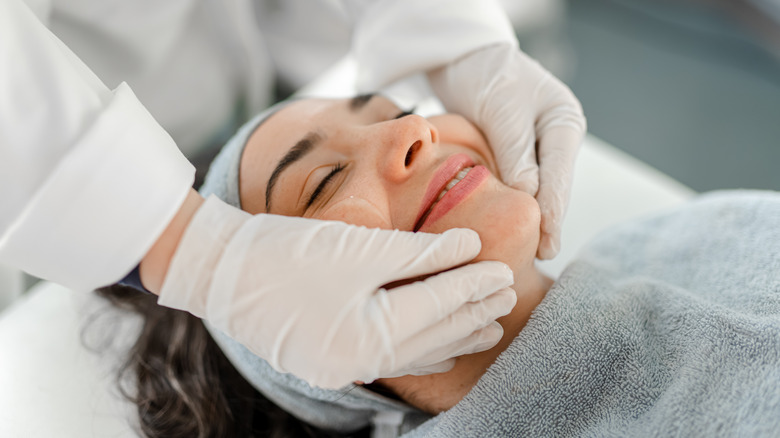
Sometimes your at-home beauty routine can get an extra anti-aging boost from your local dermatologist office. While most people are familiar with filler or face lifts, lower profile procedures can go a long way. These treatments, with varying degrees of invasiveness, can help to make your daily regimen more effective or dramatically reduce the appearance of aging, whether you're looking to refine skin texture or minimize fine lines. "The key is preventative maintenance rather than waiting for advanced signs of aging," explained dermatologist Jenny Liu, speaking exclusively with Women.
"Neuromodulator injections can help to prevent lines caused by repetitive facial motions and keep skin tight and smooth," advised dermatologist Aanand Geria. Liu affirmed the effectiveness of neuromodulator injections, more commonly referred to as Botox, and also recommended elasticity-enhancing procedures, like microneedling, laser resurfacing, and radiofrequency-based collagen induction. Skin collagen declines with age, and topical treatments aren't always enough to offset it. All of these procedures stimulate collagen production.