

Author Freida McFadden's Favorite Thriller Novel Is A Bonafide Classic
We may receive a commission on purchases made from links.
Author Freida McFadden is a master of pulpy, hard-to-put down stories. Anyone familiar with "The Teacher" — her psychological thriller book that took the Kindle charts by storm – or with McFadden's wider oeuvre, knows that her plots are relentless and her storylines are twisting and unpredictable. But her skill as a genre writer is hardly surprising considering McFadden's own favorite thriller.
McFadden revealed to Page Six that she's a huge fan of Gillian Flynn's 2012 novel, "Gone Girl." "I believe this book reinvented the modern domestic thriller," McFadden explained. "Even more than a decade after reading it, 'Gone Girl' still lives rent-free in the back of my head." After its publication, Flynn's novel is an enduring favorite of the genre, due to its stunning twist, rich characters, and incisive commentary on gender roles. "Gone Girl" reveals the dark tensions hiding beneath the seemingly beautiful surface of one couple's relationship, and it's easy to see the influence this story had on McFadden's own work, like "The Housemaid," where a gorgeous home and family mask appalling darkness. If you liked "Gone Girl" and you haven't yet checked out these popular contemporary novels, it might be time to dive into the top Freida McFadden books according to reviews.
How Gone Girl became a modern classic
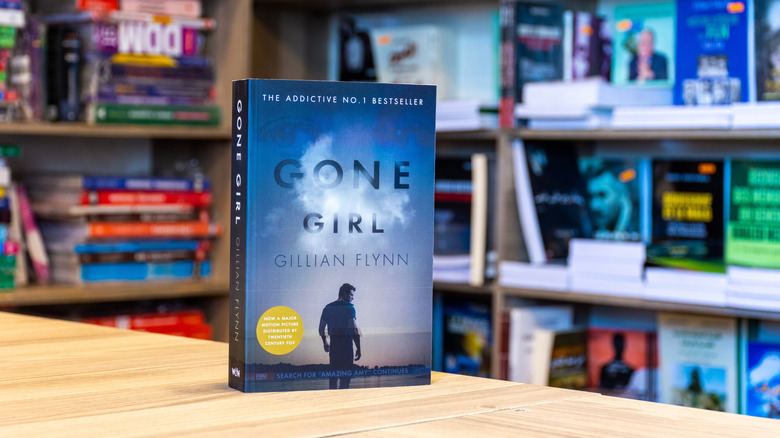
"Gone Girl" takes place in modern Missouri shortly after the 2009 recession, but it's enduringly popular, in part, because it belongs to the great tradition of Gothic novels. It opens as a mystery and quickly devolves into a domestic horror that represents the broader social tensions of its era. Namely, the dark forces beneath the surface of suburban life.
"Gone Girl" sticks with readers because it names and responds to a largely unspoken fear of being trapped inside the expectations of conventional marriage — bound and unchanging — and, particularly for women, of being denied agency. It's considered to be a feminist novel, because while its villain might be irredeemably evil, it's a thriller that proves women are a force to be reckoned with. "Amy's a villain, but she does something about it," noted one Reddit user. "Nick learns to be afraid of her in a way men rarely fear women, and it's kind of meta-feminist, to place a woman in the roll of villain to be feared and a man doing the fearing."