

Skin Flooding Is The Hydrating Technique You Need To Try - Unless You Have This One Problem
We may receive a commission on purchases made from links.
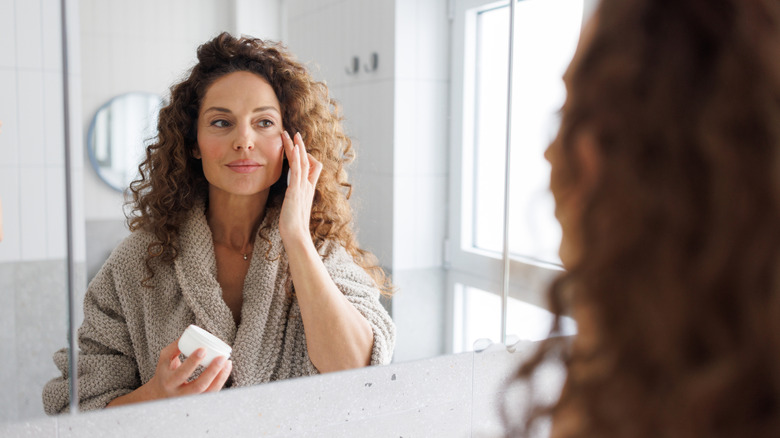
If your complexion is plagued by dryness, then skin flooding, the latest viral trend taking over SkinTok, might be your saving grace. The technique involves stacking or drenching the skin with various hydrating products like toners, serums, and moisturizer. The process is similar to slugging or sandwiching, which uses oil-based products like petroleum jelly "seal" products into the skin. However, with flooding, the emphasis is more on achieving compounding layers of hydration with thinner products. "This helps humectants like hyaluronic acid and glycerin pull in and hold more water," board-certified dermatologist Shamsa Kanwal, M.D. exclusively tells Women.com. "Potential benefits include a plumper look, reduced tightness, and better tolerance for actives."
While that sounds great on paper, skin flooding isn't exactly one-size-fits-all. Before you run out and buy the exact products your favorite skincare influencer is posting about, it's important to know your skin type, since not everyone will have the same results. "The best candidates for flood layering are dry or dehydrated skin, retinoid users, people in cold climates, and frequent flyers who feel their skin drinks up moisture quickly," explains Kanwal.
However, for those with acne-prone or congested skin, skin-flooding should be approached with caution, as layering too many thick products can exacerbate other issues. "The biggest risk is trapping sweat and sebum under too many heavy layers, especially occlusive creams and oils, which can clog pores and worsen breakouts," says Kanwal. Of course, this doesn't mean you should skip out on hydrating your skin entirely, nor does it mean you have to completely give up on the flooding technique.
How to get the best results from skin flooding

If you have oily skin or clogged pores, you can work skin flooding into your routine — with a few slight adjustments. "For acne prone skin, I usually suggest limiting fuller flooding to a few nights per week and using a simpler, lighter routine on other days so pores have a break," Dr. Shamsa Kanwal exclusively tells Women.com. Equally important is to be selective with the products you use. If you have congested skin, you're likely to see the best results from light gels and lotions, like Paula's Choice Invisible Finish Moisture Gel. Kanwal also recommends sticking with a gentle cleanser, oil-free mist, and oil-free, noncomedogenic moisturizer. Meanwhile, for individuals with rosacea, stick with a fragrance-free product or lukewarm water, and following with a humectant serum that contains glycerin and panthenol, and a ceramide-rich moisturizer.
Despite what the name suggests, the key to seeeing maximum results with skin flooding, regardless of skin type, is to not go overboard. "Keep it simple," Kanwal tells us. "After cleansing, apply a hydrating mist or essence on damp skin, then a humectant serum, then a thin, non-comedogenic moisturizer, and stop there." Look for formulas with minimal oil or gel textures, and avoid overdoing active ingredients. "For example," says Kanwal, "Do not stack retinoid, strong acids, and a potent Vitamin C together." Doing so could potentially cause irritation. Finally, be strategic about the order of application. "A good rule is wateriest to thickest," says Kanwal, recommending that you allow about a minute between each layer to allow it to soak into your skin.